

The TCM “Diagnosis” of Sciatica
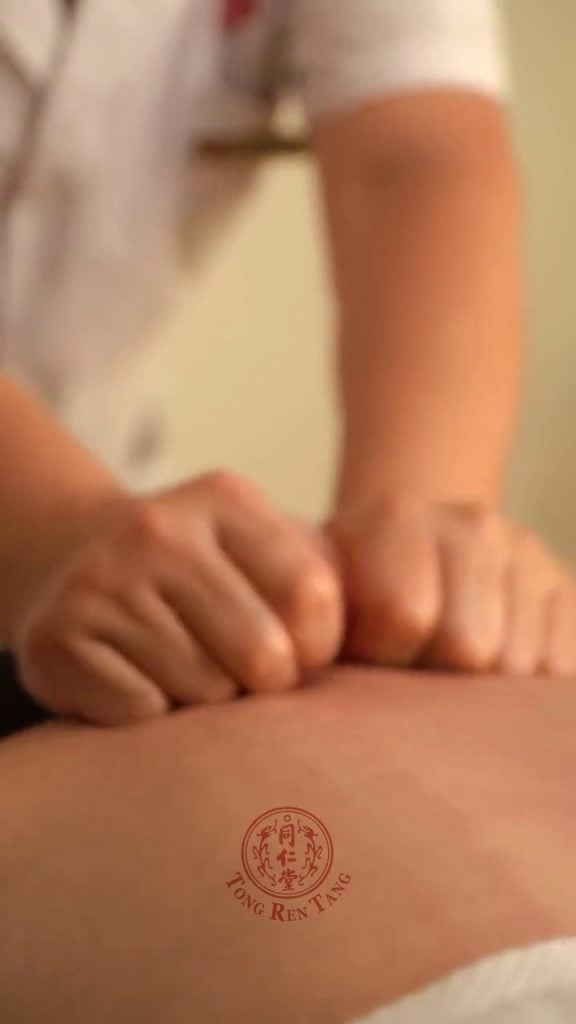
Identifying Sciatica through TCM In Traditional Chinese Medicine (TCM), sciatica is often recognized as a manifestation of underlying imbalances in the body. Practitioners seek to assess these imbalances by examining various factors, including the individual’s overall health, lifestyle, and emotional state. The diagnosis process may involve pulse and tongue examinations, which provide insight into the […]
Cupping and Hijama: The Synergy:Understanding the Blend of TCM and Local Traditional Therapy.
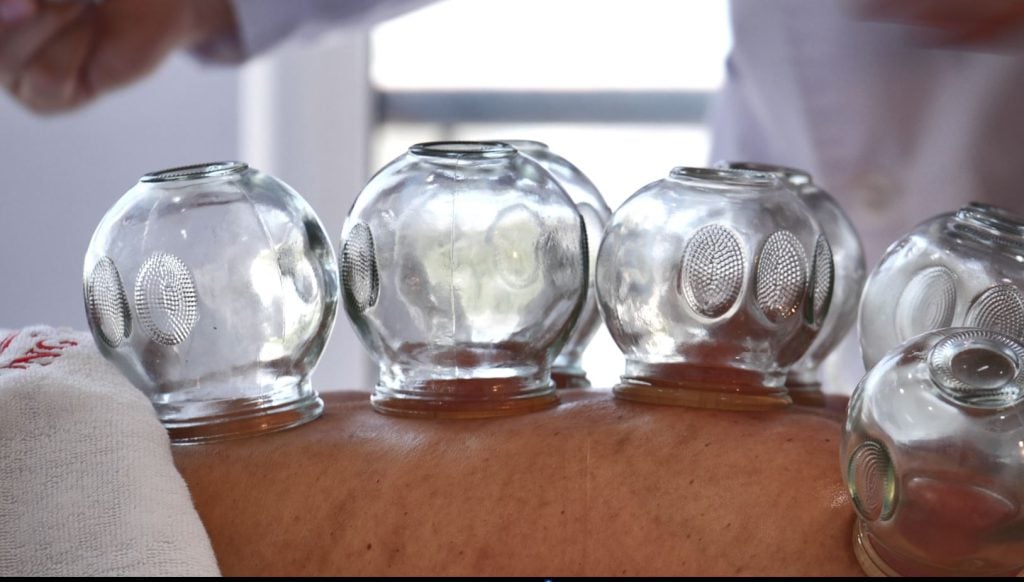
The Historical Context of Cupping and Hijama Cupping has a rich history dating back thousands of years, with roots in various cultures, including Traditional Chinese Medicine (TCM) and Islamic healing practices. TCM incorporates cupping as part of its holistic approach to health, utilizing glass or silicone cups to create suction on the skin. This method […]
Cupping for Cellulite & Toxins:What TCM Says About Skin Health.

The Role of Cupping in Traditional Chinese Medicine Cupping therapy is an ancient practice rooted in Traditional Chinese Medicine (TCM) that has gained popularity for its purported benefits, including the treatment of cellulite. This method involves placing cups on the skin to create suction, which is believed to enhance blood flow and promote the body’s […]
Who is Beijing tongrentang? How does Beijing Tongrentang contribute to health?

Who is Beijing Tongrentang (TRT)? Beijing Tongrentang (同仁堂) is a world-renowned Traditional Chinese Medicine (TCM) pharmaceutical company with a history spanning over 350 years, making it one of the oldest and most respected brands in China. Founding: Established in 1669 during the Qing Dynasty. Imperial Status: From 1723 until 1911, TRT was the sole […]
How Cupping therapy Helps in Frozen shoulder
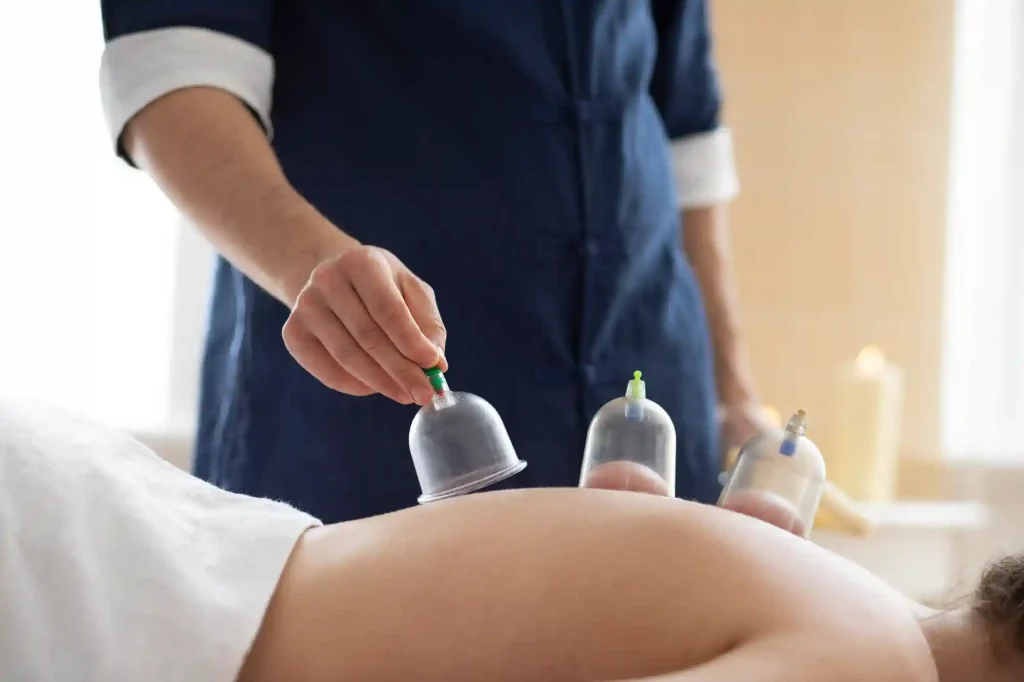
Understanding Frozen Shoulder Frozen shoulder, medically known as adhesive capsulitis, is a condition characterized by stiffness and pain in the shoulder joint. It typically develops gradually, often without any apparent cause, and can significantly limit mobility. The condition is more common in individuals aged 40 to 60 and can be associated with other medical issues […]