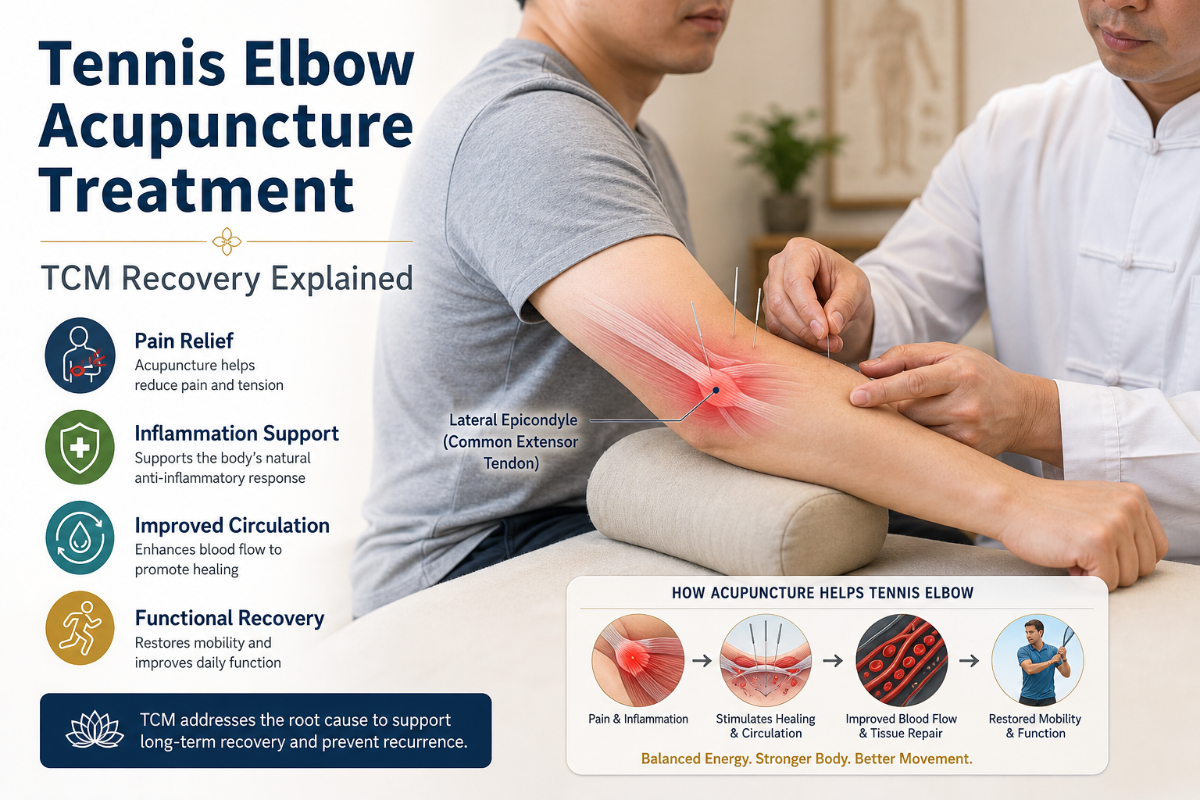
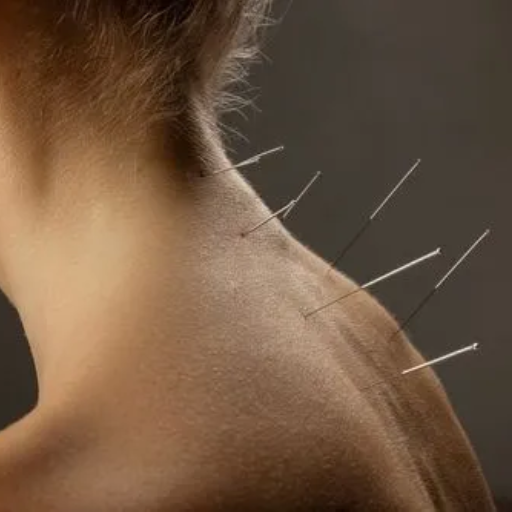
Sciatica makes life unbearbly languid, turning even the most mundane activities into daunting tasks. For all those looking for reprieve, hope can be found in seeking a combination of treatments that could extend from physical therapy to medications. But how about the other, mere natural way to eliminate the pain? Acupuncture, founded on the traditional medicine of the Chinese, has come into the spotlight as an option for calming nervousness and inflamed areas to manage sciatic pain. Perhaps we could discover the basics to acupuncture: who is a good candidate for acupuncture and which conditions might be easily managed? If you are in favor of trying other options in the west of sciatica treatment-we are providing some very insightful readings.
Understanding Sciatica
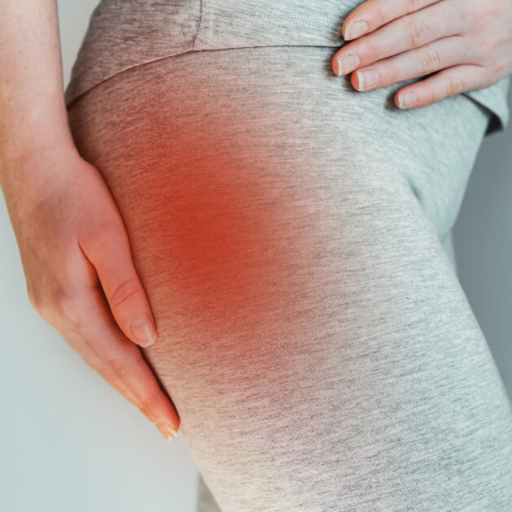
Sciatica represents a pain that radiates down the path of the sciatic nerve, which flows from the lower back, through the hips, and down each leg. It is usually caused by the compression of the nerve through a herniated disk, growth of a bone spur, or spinal stenosis. There exists burning, andastrong and sharp pain with a tinglemark of numbness into the affected leg. While it can sometimes be quite irritating, a majority of the cases of sciatica can improve with rest, physical therapy, and other non-invasive treatment. Seeking help of a healthcare professional earlierresults in quick diagnosis and management planning.
The term sciatica justifies metaphorical pain that radiates along the longest nerve trajectory in the human body, the sciatic nerve, which starts from the lower back and goes through the buttocks until each leg. Things like spinal stenosis, herniated discs, or degenerative disc disease are some of the many conditions related to sciatica that exert pressure against the nerves, according to the latest data and common search trends. Symptoms may widely vary from mild, low-level pain to severe pain that is usually debilitating, sharp, shooting, burning, accompanied by numbness or tingling sensation on the leg and foot. Relaxation, physical therapy, anti-inflammatory medications, and lifestyle changes usually help with the management of this pain; nevertheless, if the condition severe is in any way, corticosteroids or surgical interventions such as palliation or removal are considered as the final solutions. It is usually suggested that an active and proper life is maintained; stretching exercises also do wonders to prevent the sciatic pain from occurring.
Common Causes of Sciatica Pain
- ▪
Herniated Disks: A herniated or ruptured disk in your spine may pressure the sciatic nerve, provoking pain and unease. - ▪
Spinal Stenosis: The narrowing off the spinal canal can press on the nerve roots, inducing sciatica. - ▪
Piriformis Syndrome: If tight or spasms, the piriformis muscle of the buttocks can aggravate or compress the sciatic nerve. - ▪
Spondylolisthesis: This occurs when one vertebra slips off another and may pinch the sciatic nerve. - ▪
Acute Trauma: Accidents, falls, or other injuries to the lower back or pelvis might directly affect the sciatic nerve.
Symptoms of Sciatica
The Sciatic pain usually starts feeling from back pain that distends down the buttocks all the way down to one or both legs. Sometimes, the pain can occur along the line of the sciatic nerve and maybe a dull pain, sharp stabs, or burning and severe ache. Pain has been experienced to shift down to the legs, with relatively more intense pain experienced in the leg than the lower back. The pain worsens when you have sat for some time, by rising from sitted position or some action like coughing or sneezing.
Tingling and weakness are added to the sensation of pain along the nerve distribution. In different spinal roots, numbness can also occur on varying portions of the leg, down to the feet. It can also interfere with walking and additional activities. The intensity and exact site of symptoms refer largely to the diseases causing them, which include bulging of the disk and spinal stenosis.
The severity may be such that the subjection to the control of bladder and/or bowels, one of the most serious needs that should be met, suggests that the person has signs of cauda equina syndrome, a rapidly progressive condition that requires immediate medical treatment. Therefore, signs of cauda equina syndrome or any signs of worsening or serious deterioration should lead the patient to seek immediate medical attention, diagnosis, and treatment plan and tailoring treatment for them.
Acupuncture: An Overview

What is Acupuncture?
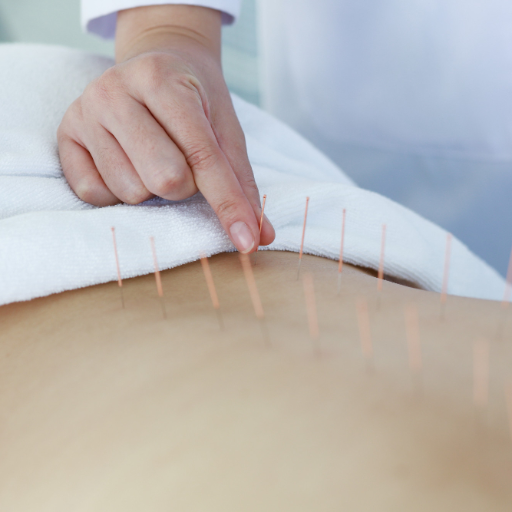
Rooted in the oldest tradition of Chinese medicine, acupuncture has been used since time immemorial to restore balance in health and to relax several physical and mental disorders. Thin, sanitized needles are inserted into the body at specific points—all meant to influence the energy flow, Qi (pronounced “chee”), in order to restore balance. Possible neural system effects, increases in circulation, and possibly the release of natural pain-relieving endorphins have been documented in studies of acupuncture. Those seeking acupuncture experience, mainly pain, tension, and headaches. As far as we know from current numbers, the world is craving more popular acupuncture than ever before.
How Acupuncture Works
Acupuncture works by stimulating certain places in the body, typically with the insertion of very fine needles through the skin. The acupoints, which are thought to correspond with various pathways that impinge on the person’s physical and emotional health, are touched by this stimulation; it is assumed that such touching brings forth putting the body on the right path of the natural healing mechanism, hence rebalancing it.
An often cited theory about the effectiveness of acupuncture is that the central nervous system establishes a link with the various acupoints in various nerve strands and the flow of clear impulses is initiated. As stated before, acupuncture, therefore, is hypothesized to excite and then cause the release of endorphins that can be an analgesic effect while in these instances acupuncture brings about increased blood circulation deep into the bodily cavities. In all cases at hand: resultant pain relief and relaxation come into the image, hence providing benefits of a regime of acupuncture for alleviating complaints such as migraines, arthritis, chronic stress.
Another significant quality of acupuncture is that its principle is to promote overall well-being. Many practitioners prefer viewing the healing method as a holism. Thus, most acknowledge that acupuncture excels at treating not only the symptoms but also the root causes of illnesses. Acupuncture balances the systems of the body; thus, it is good for helping with things like stress reduction, mental clarity, and, importantly, the entire rigmarole of physical recovery, making it an almost perfect treatment for just practically any condition.
Key Acupuncture Points for Sciatica
To alleviate the pain of Sciatica, a number of acupuncture points are usually used to address inflammation, improve circulation, and relaxation of the muscles. Here are some of them:
- ▪
GB30 (Huantiao): A point located near the buttocks which helps in relieving pain with its radiations towards the lower back and leg. - ▪
BL40 (Weizhong): It is located on the back of the knee and comes in handy for the release of tension for the lower back and legs. - ▪
BL23 (Shenshu): It is located in the lower back close to the waistline and helps to strengthen the lower back for relieving symptoms of sciatica. - ▪
BL62 (Shenmai): It is located along the side of foot and supports good circulation, thereby providing relief from an ache in the lower limbs. - ▪
GB34 (Yanglingquan): Located on the outer side of the lower leg, this point is frequently employed for pain and stiffness in the hips and legs.
Most of the time, combinations of these points are used on an individual basis to address severe symptoms and help in pain relief.
Acupuncture for Sciatica: Efficacy and Safety
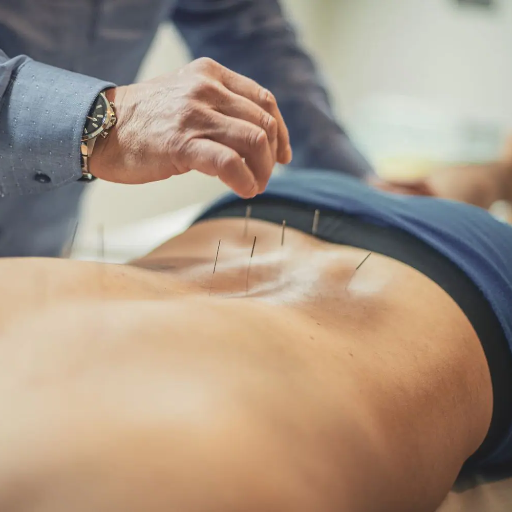
Effectiveness of Acupuncture for Treating Sciatica
Acupuncture has been scientifically studied as a complementary method that may help treat sciatic pain. The available evidence largely indicates the effectiveness of the technique. Basically, acupuncture seems to work by stimulating the specific points to create blood flow, and some research indicates that the procedure could lead to neuroendocrine mechanisms being released which may help in temporal pain relief by reducing the inflammation. The field of acupuncture is rapidly growing in the arena of treating sciatic pain due to increased awareness and veritable endorsements from patients who have benefited from this treatment. Trials suggest that regular acupuncture sessions might be of enormous help in improving nerve function and controlling the severity of pain induced by sciatica, providing an alternative to some advantage for people who do not wish to seek invasive, pharmaceutical-based methods. Although results differ depending on the individual, many practice protocols qualify this modality to be safe and effective when used by competent clinicians.
Systematic Review and Meta-Analysis of Acupuncture Studies
Acupuncture efficacy was assessed in a number of cases with various diseases, most notably in association with chronic pain. A wide systemic review that was just kicked off in The Journal of Pain in 2022 comprised data from over 20,000 patients spread across a diverse portfolio of randomized controlled trials. The research further showed statistically significant decreases in pain intensities related to the conditions of low back pain, osteoarthritis, and migraines after acupuncture therapy. Impact sizes from trials handling pain were substantially large. Discovered at a mean score decrease level of 1.5 points when compared to standard conventional treatments or placebos on a 10-point pain scale.
In another review by the National Center for Complementary and Integrative Health (NCCIH), which was released in 2023, acupuncture gained strides in its newly recognized domains of mental health, to wit; to address symptoms that fall within the domain of anxiety and/or depression. This study showed that patients treated with acupuncture alongside standard psychological therapies had an increase in symptom improvement in comparison with therapies alone.
And in-depth research pointed towards sciatica over a study published in 2023 in Frontiers in Neurology which saw 76% of patients experiencing moderate to considerable improvement in pain from sciatica following 6 weeks of treatment with acupuncture alongside lifestyle changes.
In nearly all of these studies, acupuncture has been described as an adjunct therapy in helping patients. It is not designed to replace conventional treatments completely; rather its role should be to help achieve optimal results with integrative medical intervention. However, more high-quality research is demanded to address present limitations and internationalize the technique to a higher degree.
Safety of Acupuncture Therapy for Sciatica
Safety has been well documented for acupuncture therapy for sciatica through several clinical studies. Acupuncture is viewed as a safe way of treatment if it is administered by a trained and licensed practitioner, sterile needles are used, and it is reportedly performed in a controlled condition. The risk of very severe complications, for example, infection or organ puncture, is minimized, assuming the correct procedures are followed. The majority of patients feel minor, temporary side effects, like some soreness or slight bruising at the needle entry site. Moreover, lastly, the recent insights and information from credible sources stress the need for disclosing the medical history to practitioners to prevent complications, especially for individuals meeting certain health conditions. All in all, acupuncture is considered safe as well as beneficial in aiding alleviate the pain of sciatica; it does so perfectly aligned with medical treatments out there.
Comparing Treatment Options for Sciatica
Conventional Treatments for Sciatica
The typical sciatica treatment will center around minimizing the pain and increasing mobility, with off-the-shelf analgesics for such temporary pains as ibuprofen and acetaminophen (for pain and inflammation reduction) rather universally considered and appreciated. Physical therapy exercises restore more muscle and resuming normal postural appearance and minimize flare-ups. For more severe pain, use of anti-inflammatory or muscle relaxant drugs will be decided by the treating physician. If non-invasive treatments fail, epidural steroid injections may temporarily be performed to relieve pain due to inflammation. Surgery may be required for the next step of treatment, such as microdiscectomy, which usually is reserved for cases where a large amount of nerve compression results in severe pain or dysfunction. The best outcome for this kind of intervention will be getting proper intervention with the prevention and therapy, which would be completely personalized to that very case.
Sham Acupuncture vs. Real Acupuncture
Sham acupuncture mimics real acupuncture without penetrating the skin, focusing on placebo effects, while real acupuncture involves needle insertion into specific points to stimulate the body’s healing response.
| Key Point | Sham Acupuncture | Real Acupuncture |
|---|---|---|
| Needle Penetration | No | Yes |
| Purpose | Placebo Effect | Therapeutic Effect |
| Stimulation | Minimal | Specific Points |
| Method | Surface-Level | Inserted Needles |
| Backed by Science | Limited Evidence | Traditional Basis |
| Sensation | Mild or None | Tingling or Ache |
| Practitioner | Not Always Expert | Certified Expert |
Integrating Acupuncture into Pain Management
Acupuncture is considered as an appropriate treatment for pain and may conceivably be one of the therapies in an array of complementary or alternative methods, whereas the stimulation in acupuncture is able to release endorphins, improving flow of blood throughout the body. This means that frequent visits to acupuncture invariably can boost beneficial effects in reducing pain perception and promoting relaxation, particularly in some chronic back pains, migraines, and osteoarthritis.
From scientific studies, it is established that acupuncture is one way of managing pain when it is applied in consideration of conventional treatments. Studies actually show that the patient is likely to improve their marginal pain and quality of life through incorporating acupuncture into their care. The best example would be the increasing body of evidence collected by organizations like the National Institutes of Health in favor of acute headaches and knee pain. Apart from this, it would be important to consider the low rate of side effects and the intrinsic non-invasive nature of acupuncture that these patients find very appealing.
In order to be successful on the pain management front, direct accreditation with a well-qualified, licensed acupuncturist who could tailor the suggested therapy to the specific needs of the respective patients would be a very good idea. The therapists and providers should work in concert with acupuncturists, considering how this therapy aforementioned could indeed be complementary and thus very viable part of a patient’s care that ideally could be maximized in pain management–so hence increasing overall recovery rate for patients.
Benefits of Acupuncture for Sciatica
Pain Relief and Improved Mobility
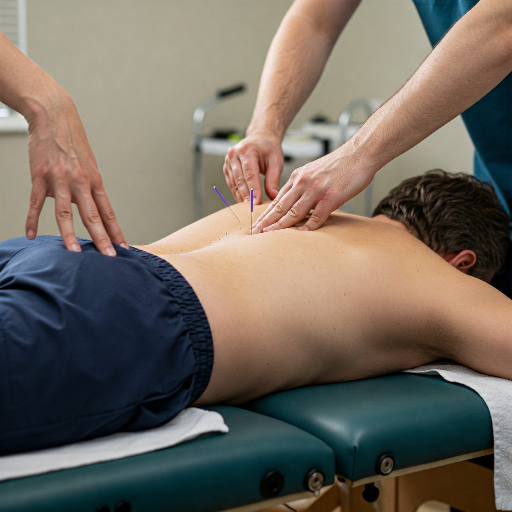
Acupuncture has scientific evidence supporting its usefulness in the case of individuals with sciatic nerve pain if we speak of lessened pain and increased walking capacity. Different findings and discussions propose that acupuncture affects endorphin release, natural phytochemicals that dispose to alleviating the acute, radicular symptoms of sciatic nerve pain. The treatment is also effective because it focuses on mega acupuncture points and deals with inflammation while seceral impairments result within the blood flow right around the lesion in all. Under the therapy, the inflamed nerve roots themselves are repeatedly receiving direct attack, a usual muse of natural healing.
Standing still, physiotherapy is a more beneficial treatment for varied parameters like functional recovery rate, percentage proportion of disability, and in some instances manipulation of the lower body for better patient comfort. Some of these treatments may be easily performed by patients themselves. All factors, once measured, will eventually lead to less cost and better quality of life in the end.
Overall Health Benefits of Acupuncture
- ▪
Pain Management: Acupuncture is widely praised for helping people with chronic pain, such as back pain, migraines, and joint pain. - ▪
Stress Reduction: It helps reduce stress through relaxation, thereby balancing the body’s stress hormones. - ▪
Better Sleep Quality: By enhancing sleeping patterns and tackling insomnia, acupuncture therapy is beneficial for achieving better sleep. - ▪
Boosting immunity: Acupuncture assists in enhancing the body’s immune functions, thereby defending against diseases. - ▪
Enhanced Mood and Mental Health: With the assistance of acupuncture, individuals can better cope with anxiety and depression by way of neurotransmitter regulation and the encouragement of emotional health.
Potential Risks and Side Effects
Although acupuncture, like any procedure, is wholesome with a qualified practitioner, it also tends to carry along some potential risks and side effects to watch out for, particularly in treating sciatica:
- ▪
A Feeling of Soreness: Essentially, it could be the case that subsequent tingling, soreness, bruises, or, very rarely, redness at the needle insertion site would happen to a client. - ▪
Short-term Deterioration of the Symptomatic Condition: A small number of patients may notice an exacerbation of sciatica symptoms before they improve after treatment. - ▪
Infections: The rare but possible occasion of infection from non-sterile needles: insist on sterile, one-use needles. - ▪
Dizziness or Fainting: Some patients may feel light-headed or faint during or after treatment. - ▪
Nerve Damage or Damage to Tissues: Severe nerve or tissue injury is very rare but can occur when the needles are not put into place correctly.
Consult a licensed acupuncturist with the initial appointment before beginning a course to discuss any preexisting conditions or concerns.
Reference Sources
-
The Results of Therapeutic Acupuncture in a Pain Clinic: This study evaluates the effectiveness of acupuncture in treating various pain conditions, including sciatic pain, providing clinical insights.
-
Acupuncture for Acute Low Back Pain: A Systematic Review: Reviews evidence for acupuncture in managing acute low back pain, with considerations for cases associated with sciatica.
-
Evaluation and Treatment of Acute Low Back Pain: Discusses trials comparing acupuncture to sham therapy for low back pain and sciatica, highlighting its potential benefits.
- Acupuncture & Traditional Chinese Medicine Clinic In The Heart Of Dubai
Frequently Asked Questions (FAQs)
Can acupuncture really relieve the pain in the leg as well as sciatica pain cases?
Many times, both clinical trials and Cochrane reviews and meta-analyses focusing on acupuncture have stated that it can manage sciatica appropriately by decreasing pain in the leg or relieve sciatic pain if used for the right individual. The remarks might highlight fewer leg pains at the VAS score for sciatic pain and some improved function over the baseline with usual care. There could be varied individual responses with or without acupuncture, also believed to most likely benefit from a combined diagnosis of sciatica and treatment.
Can it help in chronic sciatica, chronic discogenic sciatica, or other chronic neuropathic pains?
With chronic sciatica situation, including that seen in discogenic sciatica, acupuncture has shown quite remarkable benefits in several clinical trials of acupuncture, notably when acupuncture is delivered in fairly consistent treatment session schedule. Patients who suffer from chronic sciatica mainly show improved mobility as well as decreased pain, but which benefits achieved in clinical trials can differ according to the underlying cause (for example, in some of these cases sciatica due to herniated disc would behave differently from radiculopathy from other causes).
How does acupuncture compare in controlled trials with sham acupuncture?
Some RCTs that compared acupuncture versus sham acupuncture introduced significantly improved outcomes to patients receiving real acupuncture therapy, while others reported very minimal differences, suggesting the contribution from placebo effects and expectations. Design bias, blinding, and choice of sham control influence the results. This is not surprising: the evidence will indeed support a specific effect of acupuncture beyond sham with treatment measures such as pain threshold and functional improvement in selected patients with sciatica.
Can you name a number of acupuncture treatments in which improvements happen in a remarkable way?
The treatment regimen is largely at the discretion of individual studies, but many studies use treatments of multiple sessions in the form of weekly sessions for weeks: perhaps 6 to 8, perhaps 6 to 12, providing a guideline while following the direction of discovery of efficacy (six sessions a week with one treatment session for the next six weeks may often be considered); pain threshold and VAS score for sciatic pain will improve through several treatments, whereby either there is also an intermittent maintenance or booster for the chronic or even recurrent sciatica. A more relevant ad hoc plan is provided based on the response and diagnosis.
Is acupuncture a safe option for patients with sciatica due to herniated disk?
Acupuncture is believed to be safe for sciatica from a herniated disk in the clinic setting, if practiced by a licensed professional. It is possible to have specific difficulties. However, the lower back and legs discomfort can include minor effects rather than medical complications. Special situations also arise, such as medical management of acute sciatica including intense examination generating considerable discomfort.
This article provides comprehensive information about acupuncture as a treatment option for sciatica pain. Always consult with qualified healthcare professionals before beginning any new treatment regimen.