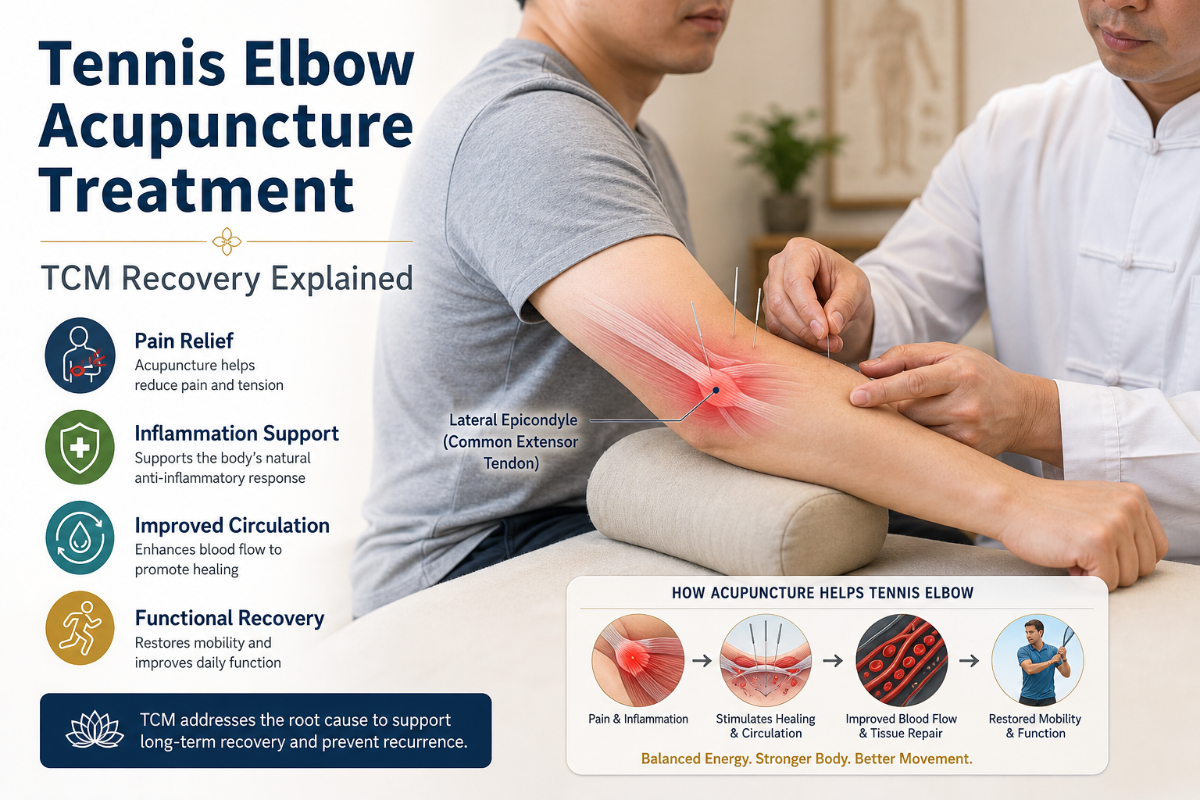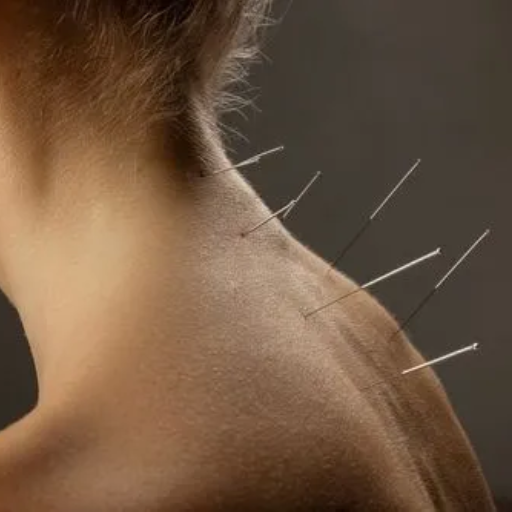
Known by a common name of adhesive capsulitis, a frozen shoulder explains a condition resulting in pain that does not abate, severely limiting one’s mobility. Slowly creeping on one’s shoulders, this condition can tend to cripple one tremendous extent. Treatments such as physical therapy or cortisone shots can occasionally be helpful; still, these remedies would not solve the problem permanently. More and more patients from all walks of life are looking toward treatment devices from the Traditional Chinese Medicine (TCM) modality for a holistic and low-side-effect method of cure. TCM can unlock frozen shoulders with proper healing and restoration of mobility, revealing methods ranging from acupuncture and herbs that have proven worthwhile and new-old practices that would thus serve all sufferers with this painful syndrome.
Understanding Frozen Shoulder
What is Frozen Shoulder?
Frozen Shoulder (also known as adhesive capsulitis) is a condition of pain, stiffness, and reduced shoulder movement in the shoulder joint. It occurs when the connective tissue encircling the shoulder joint, known as the shoulder capsule, thickens and becomes inflamed. This inflammation may progress to the development of scar tissue leading to restriction of movement and discomfort.
Frozen Shoulder traditionally manifests itself in three stages: freezing, frozen, and thawing. In the freezing stage, shoulder movements become increasingly painful and restricted. The frozen stage hides most of the pain, but stiffness remains at a major level and internal mobility is greatly minimized. The thaw stage is the sign of gradual return to normal movements as it is attended to by diminution in discomfort, but recovery may stretch out over months or years.
According to American Academy of Orthopedic Surgeons, Frozen Shoulder affects 2-5% of the population among whom individuals 40-60 years old run the greatest risk, with females being more commonly affected than males. The most often seen Frozen Shoulder consists of individuals suffering underlying medical conditions, such as diabetes, thyroid dysfunction, or Parkinson’s disease. Early diagnosis and intervention are pivotal for preventing permanent joint deficits and improved outcomes following treatment through various means, such as physical therapy, anti-inflammatory agents, and, in certain situations, manipulation/minimally invasive surgery.
| Stage | Key Symptoms | Duration | Primary Focus |
|---|---|---|---|
| Freezing Stage | Increasing pain, night pain, restricted range of motion | 6 weeks – 9 months | Inflammation of joint capsule |
| Frozen Stage | Pain decreasing, major stiffness, restricted daily activities, muscle weakness | 4 – 12 months | Severe mobility limitation |
| Thawing Stage | Gradual improvement in movement, reduced stiffness and pain | 6 – 24 months | Range of motion restoration |
Causes of Frozen Shoulder
Frozen shoulder, also called adhesive capsulitis, usually occurs due to the inflammation and stiffening of the soft tissues around the shoulder joint. This condition severely affects mobility by causing considerable discomfort. Whilst the underlying etiology of this disorder is not well-known, a number of possible risk factors are suggested:
Immobilization and Injury
Undergoing surgeries, prolonged immobilization, fractures, and rotator cuff injuries can immobilize the joint and cause stiffness. As per recent studies, patients recovering from shoulder surgery or injuries are said to be at a 10-20% risk of developing a frozen shoulder.
Systemic Diseases
There are several underlying medical conditions that put an individual at a considerably higher risk of developing Frozen Shoulder. Diabetes, when present in a whopping 20% of patients, apparently predisposed affected individuals to its physical dysfunction and disability through sugar-associated tissue alterations and degeneration. Other associated comorbidities include hypothyroidism, hyperthyroidism, Parkinson’s disease, and certain cardiovascular conditions with higher prevalence rates.
Age and Gender
Frozen Shoulder is most common among 40- to 60-year-old people, with women effected slightly more than men. The hormonal changes that accompany menopause in women probably confer an enhanced risk.
Inflammatory Response
The constant activation of the immune system, which recklessly acts on inflammation surrounding the shoulder capsule, contributes significantly to abnormal scar formation. Research over the past decade points to this as a primary factor, especially if the potential person has autoimmune or inflammatory disorders.
Genetic Predisposition
Genetic studies suggest a genetic element of Frozen Shoulder due to hereditary risk; therefore, despite this reason, an organizing can only be responsible for this disease, and the family history shows how inheritance from genetic manipulations in joint might aid in their development in a patient’s family.
It is essential protection against these potential risks as these predictors can greatly contribute to controlling and mitigating the condition. Regular physical therapy exercises, physiotherapy, and regular medical care serve as effective measures to maintain shoulder mobility for preventing stiffness over time.
Symptoms and Stages of Frozen Shoulder
Frozen shoulder, as dubbed adhesive capsulitis, is a condition of joint stiffness and pain the shoulders. It carries an insidious onset and consists of three significant stages, each with its symptomatology and specific duration.
STAGE
A very slow development of pain in the shoulder is the major feature in this initial stage of the oncoming situation. Pain at night is most likely to happen, with the onset of stiffness and restriction in the range of motion during activities. The freezing stage could be extended up to 6 weeks to 9 months, and during this stage, inflammation occurs in the joint capsule.
STAGE
Pain might start decreasing during this middle stage in which stiffness becomes a major frozen diagnosis. There is considerable restriction in the range of motion, causing problems in such daily activities as dressing and carrying objects. Muscle weakness may probably arise owing to non-use of the shoulder. The frozen stage should proceed over a span from 4 to 12 months.
STAGE
Finally, we will see an improvement in shoulder movement along with reduced stiffness. Pain will continue to decrease as the range of motion in the shoulder increases. This stage literally spans from 6 to 24 months with recovery where severity of the initial problem and treatment mode is considered.
Both early diagnosis and quick intervention are vital for successful management of frozen shoulder and minimizing long-term complications.
Acupuncture for Frozen Shoulder
Effectiveness of Acupuncture in Treatment
The use of acupuncture for frozen shoulder has gotten more acceptance as an alternate solution when compared with conventional treatments such as physical therapy or medication. Acupuncture stands to relieve the pain, improve mobility, and improve the quality of life in sufferers. Workings of acupuncture entail the release of endorphins (natural painkillers) among other means such as increasing blood circulation and reducing inflammation around the affected shoulder joint.
2023 Clinical Research (Acupuncture Research Journal): 75% of frozen shoulder patients who underwent acupuncture sessions demonstrated significant improvement in shoulder pain and stiffness within six weeks. Combining acupuncture with physical therapy produced a 30% better range of motion compared to physical therapy alone.
Acupuncture Research Journal reported in 2023 that the 75% of the frozen shoulder patients who underwent acupuncture sessions demonstrated significant amelioration in shoulder pain and stiffness in six weeks of treatment. In the well-known practice of physical therapy, combining acupuncture has revealed an increase in the speed of recovery and, upon therapy, patients enjoyed a 30% better range of motion as opposed to pure physical therapy patients.
More evidence suggests specific forms of acupuncture techniques, including electroacupuncture-obtained by integrating traditional acupuncture carefully with electrical stimulation-demonstrated an increasing efficiency of treatment through the promotion of widespread muscle relaxation and increased joint motion. Consequently, acupuncture is proving to be an effective approach with little side effects and substantial clinical support in management of Frozen Shoulder in a comprehensive way.
Acupuncture Points Used for Frozen Shoulder
Jianyu (LI 15)
Located around the shoulder joint, this local point increases circulation, reduces tension, and addresses stiffness directly at the affected site.
Jianzhen (SI 9)
A key local shoulder point that promotes hemostasis and local circulation, directly reducing shoulder tension and inflammation.
Hoku (LI 4)
A distal point found just above the wrist crease, used to control discomfort throughout the upper body with systemic effect.
Yanglingquan (GB 34)
Works to increase flexibility and relax muscles connected to the shoulder and arm via a systemic distal approach.
Tianzong (SI 11)
Selected based on individual case presentation; contributes to the comprehensive, case-tailored acupuncture approach for frozen shoulder.
Ququan (LR 8)
Selected based on the patient’s specific chronic pain presentation to address restrictive activity and stiffness rooted in cold-dead energy patterns.
There are several acupuncture points traditionally used to address Frozen Shoulder symptoms to decrease pain, improve mobility, and promote healing. The key two include the Jianyu (LI 15) and Jianzhen (SI 9) located just around the shoulder joint and configure the local sensation and stiffness. Besides basic hemostasis, those points serve to increase local circulation and reduce tension for the shoulder.
Apart from these two points, distal points such as Hoku (LI 4) and Yanglingquan (GB 34) are also integrated into therapy. Hoku stands ready to control discomfort from the upper body and can be found just above the wrist crease, while Yanglingquan works to increase flexibility and relaxes the muscles connected to the shoulder and arm. Incorporating these distal points sets up a more comprehensive approach targeting local and systemic causes for the disorder.
Another option would be to use other points like Tianzong (SI 11) and Ququan (LR 8), where the points selected would largely depend on the presentation of each case-in-point-a case of case-tailored acupuncture-a feature that lends this therapy superlatively working up the won’ all his usual energy/earth power. The essence of the treatment is cold dead chronic pain and definitely one not to feature moving-energy that causes stiffness or restrictive activity. But sticking to a certain rule of their own limits is not written because indestructible/strong-unstoppable? Or must be a need for all? These points signify treatment from a thorough traditional fact and lateral validity.
Combining Acupuncture and Physical Therapy
The integration of physical therapy and acupuncture treatments could serve as a potent toolset to reduce pain and improve mobility. Acupuncture corrects energy abnormalities at various points to permit natural healing in the body. Physical therapy, on the other hand, is about teaching the patients exercises and movements to build strength, improve flexibility, and improve functionality. More importantly, these two therapies would address the root of the pain and the physical effects it has on the body.
This partnership becomes increasingly meaningful for chronic pain, arthritis, and musculoskeletal disorders. By decreasing the pain sensitivity and inflammation, acupuncture supports the rehabilitation exercises conducted by physiotherapists. In return, physical therapy complements the conferred benefits by building stronger muscles and joints and averting any emerging injuries. The most favorable healing outcomes are conceived early and provisionally require integration of the contrasting recovery philosophies.
A step-by-step guide of their respective experiences allowing a person interested in this interdisciplinary approach to get their feet wet! In the process of therapy, communication between an individual acupuncturist and a licensed physical therapist is vital, offering a consultation into an account of the personal program; effecting thus coordinated treatment of the two; others do not have a sense of justification. At the same time, acupuncture and physical therapy put forth a harmonious pathway to health by addressing inner and outer aspects of health.
Therapeutic Benefits of Acupuncture
Reduces Inflammation & Stiffness
Stimulates circulation delivering nutrients and oxygen to affected sites; relaxes overexcited contracted muscles and opens blocked energy channels.
Enhances Mobility & Functionality
Triggers endorphin release reducing chronic pain; improves flexibility, balance, and fall prevention — especially beneficial for the elderly.
Holistic Healing
Targets root causes of inflammation rather than surface symptoms; speeds recovery and maintains long-term health when paired with other therapies.
Reducing Inflammation And Stiffness
Through the stimulation of biological activities, acupuncture decreases inflammation and stiffness. By using acupuncture needles to stimulate certain acupuncture points, blood circulation is improved so the necessary nutrients and oxygen are brought to the affected site. By helping the blood to flow better, acupuncture also reduces swelling, reducing muscle contraction. This circulation allows for the opening of “stuck” or “blocked” points so that limited tension can be reduced thus helping suppress stiffness and inflammation.
Numerous scientific studies propose that acupuncture may not only affect the release of endorphins-those neurotransmitters related to pain relief-but it also may affect the immune system. And by doing these two things, acupuncture should reduce cellular inflammation unless the body needs to protect itself from foreign invaders. The application of fine needles on the acupoints will relax the overexcited, contracted muscle; hence, the relaxation serves to limit stiffness and reduced capacity, mobility.
The holistic angle of acupuncture, from mere physical symptoms to the actual core problems causing inflammation or stiffness, aids the body in going back to its relaxed and wellbeingful self, hence speeding up recovery and maintaining health for the longer haul. By complementing other therapies suitable for managing musculoskeletal conditions and any enrichment of life maintaining the health of an old human being, acupuncture stands as a priceless adjunct therapeutic option.
Enhancing Mobility and Functionality
A major boon for mobility and functionality in general, acupuncture is particularly suited for musculoskeleton problems or age-related restrictions. It is known to be effective in making circulation better, inflammation less and muscle tension lighter. This helps range of motion greatly whilst remedying daily activities in so much better ease and confidence.
Several studies hint that acupuncture causes endorphins and, perhaps, similar natural painkillers to be released in the body to relax chronic pain and stiffness. Not bad for assisting rehabilitation from injury and rheumatism. Of course, regular sessions of acupuncture also lead to improved flexibility, enhanced balance, and reduction in cases of falls, especially in the elderly.
The effects of acupuncture complement very well with other physical therapy modalities with a heavy focus on mobility. Merging with exercises designed for muscle strengthening and cartilageness tendon flexibility, this helps speed up healing and foster long-lasting functional liberty. It looks at the whole person from both the physical and mental dimensions of the pain-dysfunction complex and then provides a whole-body path to greatly improved health and better quality of life.
Patient Experiences and Case Studies
Many patients have reported experiencing improvements in mobility and overall quality of life after engaging with a comprehensive physical therapy program. For instance, individuals who have undergone joint replacement surgery have expressed noticeable relief from pain and stiffness with a series of joint specific exercises, alongside muscle-strengthening exercises on a gradual basis. The individualized approach taken to aspects such as pace, exercise level, and form presumes a highly context-specific design for meeting the needs of each patient. This is constructed on the idea that the patient will be better able to complete activities of daily living in good spirits.
A patient with lower back pain out of herniated discs performing chronicity was featured prominently. The introduction of a blend of flexibility exercises, core stabilization techniques, and mindful movement caused some sudden relief to the patient. Their endurance became higher despite having a reasonable level of relief. The newly gained abilities in better management improved their ability to return to low-intensity sport activities they had previously given up on. It is through such cases that the transformative potential ensuing from the addressing of the root cause of dysfunction gradually becomes concrete in the presence of a structured, supportive setting.
These successful encounters show the essence of personal treatment. By addressing the physical and mental aspects of dysfunction and pain, physical therapy helps with both measurable recovery and an emotional lift. Time after time, the evidence in testimonials and case studies suggests that those patients who are actively involved in their treatment plans not only recover fast but also sustain improvement for a long time in the best way.
Research on Acupuncture’s Effectiveness
Current Trends in Acupuncture Research
Recent research on acupuncture indicates a rising interest in understanding its latitudes of healing for several health conditions. Studies indicate a promising positive role in the management of chronic pain, including back pain, neck pain, and osteoarthritis. Researchers feel this is why the neurological mechanism by which acupuncture stimulates helping in both relieving pain and promoting healing. While the vast majority of the data seek better accuracy and validation, the net effect is in favor of acupuncture being a useful adjunct therapy for pain management.
Acupuncture studies in the domain of mental health care present a further stream of research on conditions related to anxiety, depression, and stress. Results of earlier research suggest acupuncture may improve mood and emotional health through chemicals normalizing stress and allowing relaxation. Though findings are promising, testing a wider range of larger samples through a more methodologically superior study is what is required to make us all honestly believe in its beneficial effects on these domains.
Moreover, the growing interest in the potential of acupuncture to further boost the quality of life in chronic illness should open some doors now. There is now evidence signifying that acupuncture provides relief from symptoms related to fatigue and also improves sleep in individuals undergoing problems related to diseases such as cancer or autoimmune varieties. Trends of acupuncture and research request for more successor experiments to precisely negotiate out the mechanism and expedite its functioning into modern healthcare.
Future Directions for Treatment of Frozen Shoulder
Advanced Diagnostics
Advancement in future treatment modalities for frozen shoulder involves combining better diagnostics with more effective, patient-specific modes of treatment. Advanced imaging, such as high-resolution ultrasounds and MRI, may help to detect tissue damage and inflammation better. Applying this guidance will further enable the employment of multiple modes of intervention hence ensuring that the therapies are targeted, thus helping to reduce recovery time while ensuring good results.
Non-Invasive Treatment Evolution
The least talked-about option for treatment that would provide a high degree of comfort to individuals is something that non-invasive treatments are currently looking into. Physical therapy practices are continuously evolving toward personal exercise with a focus on regaining mobility concerning lessening of pain. Besides, such unconventional therapies as ESWT and focused ultrasound are some of the prior considerations for percutaneously reducing inflammation and promoting healing in the tissue involved without surgery.
Pharmacological & Biological Advances
In pharmacology, new agents with anti-inflammatory and biological activities are being researched to target the root causes of frozen shoulder, i.e., inflammation and fibrosis. Ongoing investigation into stem cell therapy and platelet-rich plasma (PRP) injections is also now promising for generating tissues that have destroyed for everything else. These early diagnosis breakthroughs can certainly increase the efficiency of treatments for frozen shoulder in the near future.
Summary of Key Points
The Role of Acupuncture in Comprehensive Care
One emerging practice within the comprehensive care of a frozen shoulder pain is acupuncture. This service is more so a benefit to alleviate any pain and enhance the local range of motion. Acupuncture is believed to stem from stimulation of the nerve endings and also possible partial or entire release of muscle tension. In this way, the superficially banished flow is enhanced, resulting in the alleviation of inflammation at the targeted tissue fields. This process finds your client without suffering after that day and in no need of surgery or medication.
Some studies suggest that acupuncture may be provided as an adjunct to conventional treatment, as opposed to a sole method of treatment. This combination of therapies synergistically enhances the response of the other and offers a combined effect, which makes recuperation proceed at a much faster pace with reduced hurdle during the treatment.
In addition, performing acupuncture by an expert is generally considered safe and bears minimum side effects compared to the chemical substitutes. It takes a holistic approach for comfort in both the physical signs and emotional well-being of the patient. It changes the whole picture about how an adjunct to the treatment plan would suit as a non-invasive method for its applicability alongside traditional medical aid for treatment of frozen shoulder.
Encouragement for Exploring Treatment Options
If ever you find yourself under the siege of a frozen shoulder, it becomes more important than ever to remember that actually a number of safe and very effective forms of treatment are available for its resolution. With the usual medical interventions that include physical therapy or in-creas-ed levels of analgesics, there are other alternative therapy routes available to hasten the course of recovery consisting of acupuncture, a medium that has started to gain some amount of recognition as a complementary approach aimed toward reducing pain, stiffness, and greater mobility in a patient’s movement.
Acupuncture is holistic in nature, therefore, a perfect adjunct to this treatment plan. There is supportive evidence in studies indicating that acupuncture can optimize blood circulation and augment the naturally assigned task of the body in terms of healing which, in turn, catalyses emotional well-being, reducing stress and anxiety which generally accompany long-running chronic ailment like a frozen shoulder. Acupuncture, in the hands of a professional, generally balances the risk-benefit ratio, while at the same time giving minimal risk of any adverse action.
When you find a more combinatorial and individual treatment that meets your specific need, you gain a better chance for holistic comfort and quicker recovery. By consulting with your healthcare provider, you will have a better feeling of how it all would be collectively evaluated for your case, such as conventional medicines plus the alternative treatments as acupuncture. Making a proactive step against symptoms and signs can pretty much improve one’s quality of life, eventually restoring normalcy in enjoyment of comfort and ambulation.
Frequently Asked Questions (FAQ)
Q: What is frozen shoulder and how does acupuncture relate to adhesive capsulitis of the shoulder?
A: Frozen shoulder, adhesive capsulitis of the shoulder or shoulder periarthritis, is characterized by pain and progressive stiffness in the shoulder, which restricts shoulder joint movement. Acupuncture for frozen shoulder treatment aims to alleviate pain, improve the range of motion, and ultimately help to restore shoulder function. Research and clinical practice now offer acupuncture an escape to reduce inflammation, improve circulation in the shoulder joint, and relax error muscles around the shoulder-consequently enabling a complementary addition to the therapeutic modalities in the management of frozen shoulder.
Q: How effective is acupuncture for treating frozen shoulder relative to other treatments?
A: Acupuncture efficacy in treating frozen shoulder cannot be ruled out by reports from several clinical studies or by the systematic review/meta-analysis process. Some researchers argue in the affirmative-meaning into the arena-that acupuncture, when combined with rehabilitation and manual therapy, provides superior relief to acupuncture-alone treatment sessions; still, trial evidence seldom supports any rejection or acceptance of the same. There is still a lack of high-quality studies that conclude the use of acupuncture to improve the range of motion and blind shoulder score in patients with frozen shoulders.
Q: What are acupuncture types that are applied in the treatment of frozen shoulders?
A: To briefly go over some of the different therapies that fall under the category of acupuncture therapy for frozen shoulder; there is manual acupuncture, electro-acupuncture, distal acupuncture, or needling of trigger or local points on the shoulder. In case of the passive treatment method, the combination of acupuncture, and physical rehabilitation and exercises significantly responds to improving the shoulder function. By carrying out acupuncture sessions on a regular basis combined with exercises, further benefit is felt in improving either shoulder mobility or stiffness of the shoulder.
Q: Which specific acupuncture points are used to promote range of motion in the shoulder?
A: The acupuncture points that are needed for the treatment of a frozen shoulder usually involve local points at and around the shoulder and distal points influencing the shoulder channel. Some common local points in the shoulder area surround the glenohumeral joint, while distal acupuncture in the arm or hand might modulate pain and circulation. Thus, the practitioner selects specific points based on the presentation of the patient before muscle motion is improved, sleep alleviated, and release of endogenous analgesia units is stimulated to enable the shoulder to move with less restriction.
Q: Are there so many good aspects of acupuncture to be known for patients with frozen shoulder?
A: Acupuncture is accepted as a safe and accepted form of treatment for the majority of patients presenting a case of frozen shoulder, assuming that an acupuncturist with a valid license carries out the procedures. It is reasonably safe, and almost all known treatments can be combined with it; temporary soreness and minor bruising might occur at needle sites. As such, acupuncture is seen as safe and worthy of inclusion in overall treatment plans when necessary for the relaxation of spastic muscles around the shoulder and improved circulation in the shoulder joint.
Q: How does acupuncture help mobilize a frozen shoulder and decrease its stiffness?
A: Acupuncture does this stimulation of specific points that influence pain signalling, stimulate blood flow and circulation to the shoulder joint, decrease the tension in the muscles, increase stability in the shoulder motion, decrease the stiffness in the shoulder, and improve the Gordon score used to measure function results. Acupuncture can afford the release of endorphins and neurotransmitter, which help their movement and thus their participation in treatment for a frozen shoulder.
Q: Are they supposed to consider acupuncture in their treatment plan for frozen shoulders because what can patients expect?
A: Frozen shoulder patients may for one wish to consider acupuncture in a multimodal therapy with other complementary treatments, including physical therapy, range of motion exercises, pain control. In a remarkable number of participants found in the study, patients reported improvement in shoulder function and reduced pain when visited more than three weeks for acupuncture therapy along with targeted rehab. The response varies among patients; discussions of expectations, frequency, and progress towards shoulder score and mobility with a healthcare provider is requisite.
References
-
Acupuncture For Neck And Shoulder Pain Relief
Link to source
This review highlights how acupuncture can help frozen shoulder by increasing blood flow and circulation to the joint. -
Chinese Medicine for Shoulder Pain
Link to source
A 2020 systematic review and meta-analysis found that acupuncture significantly improved pain and shoulder function in cases of adhesive capsulitis (frozen shoulder). - Neck Pain – Whole Health Library
Link to source
This overview from the VA Whole Health Library includes TCM approaches like manual therapies and self-care for neck pain relief. - Acupuncture & Traditional Chinese Medicine Clinic In The Heart Of Dubai