Neck pain develops as a widespread problem which affects people all over the world because they need to work quickly with modern technology. The discomfort arises from three main factors which include extended periods of watching screens and incorrect body alignment and mental pressure. The symptoms of health conditions receive treatment through standard medical methods while Traditional Chinese Medicine (TCM) provides a complete solution which treats fundamental health problems and delivers extended health benefits. This article will explore proven TCM techniques, including acupuncture, herbal remedies, and therapeutic exercises, to help relieve neck pain naturally. The article explains how TCM functions as an effective treatment for people who want to stop experiencing chronic pain while improving their physical agility and body stability.
Understanding Neck Pain

Common Causes of Neck Pain
Neck pain emerges as a common medical condition which affects people from all age groups because of various underlying factors. Some of the most common causes include poor posture, particularly from long hours spent looking down at smartphones or computers, which places excessive strain on the neck muscles and spine. The condition called “tech neck” has become more prevalent since people now spend more time in front of screens.
Another common cause is muscle strain or tension, which occurs when people experience stress or they use their muscles too much or they sleep in positions that cause their muscles to tighten. Whiplash injuries which occur during car accidents, lead to intense neck pain and limited neck mobility. Degenerative diseases such as cervical spondylosis and herniated cervical discs primarily affect older individuals, who experience neck pain because of these conditions.
Percentage of people affected by neck pain annually due to musculoskeletal disorders (American Chiropractic Association).
Neck pain arises from various medical conditions which include rheumatoid arthritis and meningitis and infections. Neck discomfort worsens due to occupational hazards which include repetitive movements and extended periods of standing and sitting. Studies show that more than 70% of desk workers develop neck and upper back pain because their workplace lacks proper ergonomic design. People can achieve long-term neck health improvements through correct posture and ergonomic modifications and preventive medical treatments.
Impact of Poor Posture on Neck Pain
Modern societies which promote extended periods of sitting and viewing screens have created an environment where poor posture becomes a main cause of neck pain which affects people worldwide. The forward head position known as “text neck” creates an extra burden for neck muscles because they must support the head weight which measures 10-12 pounds when the head stays in its natural position. The weight increases for every inch of head tilt because this movement creates additional pressure on the cervical spine area.
Recent studies indicate that improper posture, especially during desk work or when using handheld devices, exponentially raises the risk of musculoskeletal pain. According to the Cleveland Clinic, up to 85% of people with sedentary jobs report at least some level of neck or upper back pain at some point in their lives. A systematic research review published in the National Library of Medicine shows that ergonomic improvements can decrease neck pain among workers by 40 to 60 percent.
Poor posture leads to multiple health problems which include neck pain and tension headaches and shoulder pain and the spinal curvature loss which develops over extended periods. Proper posture must be maintained through conscious effort which applies to all activities, including sitting, standing, and daily tasks. Neck strain decreases when people apply techniques such as screen height adjustment to eye level and ergonomic chair use and frequent stretching breaks.
Role of Muscle Strain in Neck Discomfort
Muscle strain serves as one of the primary causes for neck pain which results from both sudden injuries and extended periods of incorrect body usage. The neck muscles experience overexertion when people engage in activities that involve looking down at their phones for long periods which medical experts call “text neck” and when they stay in one position at their workstations for multiple hours. According to recent studies, over 60% of professionals who work on computers for extended hours report experiencing neck strain. The body experiences prolonged strain which can result in myofascial pain syndrome that creates painful muscle knots which people can feel when they touch the affected area.
Ergonomic studies show that improper sitting positions create a 40% increase in muscle strain which affects the cervical spine. The muscles develop tiny tears which result in inflammation and subsequent discomfort after the body experiences continuous muscle tension. Regular stretching exercises which include chin tucks and neck rotations function to relieve tension while they help restore muscle performance. Strength-training exercises like shoulder blade squeezes and resistance training help people build neck and upper back muscles which function as a protective barrier against future neck injuries. The process of reducing neck discomfort which relates to muscles starts with people maintaining proper posture and taking breaks from extended periods of sitting by walking around.
Effective TCM Remedies for Neck Pain Relief

Acupuncture Techniques for Neck Pain
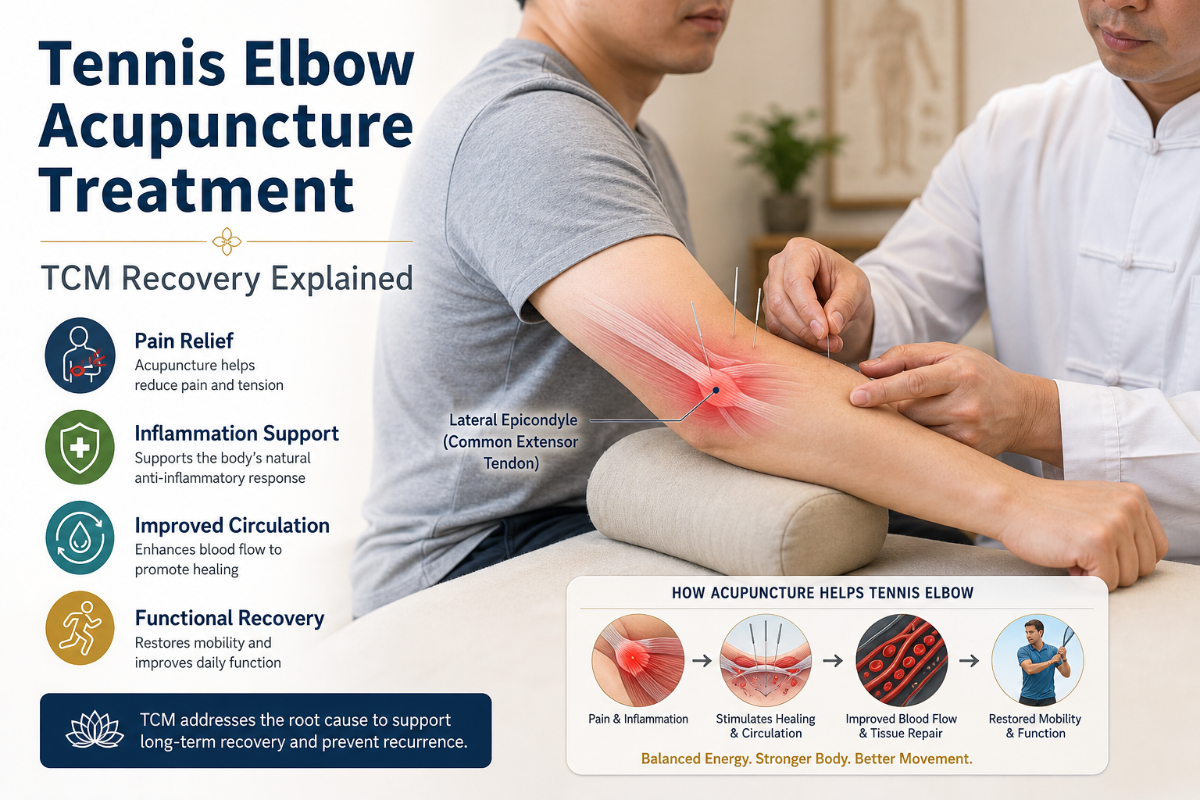
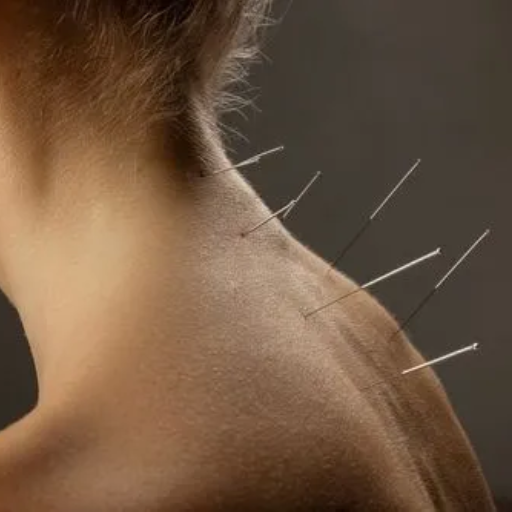
Acupuncture functions as an effective Traditional Chinese Medicine (TCM) treatment which provides relief from neck pain. The practice of acupuncture uses specific acupoints to achieve three medical effects which include better blood flow and decreased swelling and muscle relaxation in the targeted region. The Journal of Pain Research published a study which showed that acupuncture treatments lead to substantial neck pain relief for chronic pain patients while also enabling better movement abilities.
The acupoints commonly used for neck pain treatment include GB20 (Fengchi), LI4 (Hegu), SI3 (Houxi), and BL10 (Tianzhu) because these points help reduce muscle tension together with treating body energy disorders. Practitioners use fine needles to stimulate these points, which in turn activates the body’s natural pain-relief mechanisms by releasing endorphins and other neurotransmitters.
💡
Pro Tip
Acupuncture produces better neck pain relief results when combined with other treatment methods which include cupping and moxibustion therapy. A 2023 clinical trial revealed that patients receiving combined acupuncture and cupping therapy experienced a 37% greater reduction in pain levels compared to those undergoing acupuncture alone.
The research demonstrates that acupuncture functions as a complete and effective method for treating neck pain. The treatment requires a licensed practitioner who possesses experience for both safety and treatment success.
Herbal Remedies for Muscle Pain
Herbal remedies provide effective natural solutions which help to reduce muscle pain. The herb turmeric functions as a common medicinal plant because it contains curcumin which delivers strong anti-inflammatory effects and pain relief for users. Research indicates that curcumin helps to reduce muscle soreness after people exercise or sustain injuries. For optimal results people should take turmeric either through capsules or as an ingredient in their meals. The combination of ginger with black pepper creates better results because black pepper helps to increase ginger’s absorption into the body.
Arnica serves as a recognized herbal treatment which people use to relieve muscle pain. People use arnica in topical treatments which come as creams or ointments because it helps to decrease muscle strain-related swelling and bruising and inflammation. The research demonstrates that arnica provides effective pain relief after people engage in intense physical exercise or sustain minor injuries when they apply it consistently to their injured body parts.
The final herbal treatment which provides health benefits to consumers is ginger. The active compounds in ginger called gingerols work to decrease muscle pain which leads to faster recovery. People can take ginger in its fresh form or as tea or dietary supplement. The herbal treatments offer safe and effective muscle pain relief because they serve as non-invasive solutions which use plant-based ingredients. Consultation with healthcare professionals stands as essential before people start new treatment because it helps to protect their health and prevents drug interactions with existing medicines and medical conditions.
Cupping Therapy and Its Benefits
Cupping therapy originates as an ancient practice which different medical systems from Chinese and Middle Eastern and Egyptian traditions developed. The practice uses cups which experienced practitioners position on a person’s skin to establish suction that researchers believe will enhance healing and increase blood circulation. The suction effect enables blood to flow toward the damaged region which helps tissues recover while decreasing muscle tightness.
Cupping therapy provides patients with significant benefits which include pain relief from chronic pain and muscle soreness and tense areas of their body. Research indicates that the vacuum which develops during treatment improves blood circulation to specific body parts which helps reduce pain and boost patients’ ability to move. The process is thought to start body healing through an inflammatory response which helps maintain recovery processes.
Cupping therapy provides people with stress relief and relaxation through its ability to reduce muscle tension and bring about complete muscle relaxation. The treatment remains safe for most people when trained professionals conduct it yet patients should seek medical advice before trying this procedure because of their existing health problems which include clotting disorders and skin sensitivities.
Incorporating Cold Therapy in TCM

Understanding Cold Therapy for Neck Pain
Doctors use cold therapy which is known as cryotherapy to treat neck pain through its widespread application in modern and traditional medical practices. The application of cold packs or ice to an injury site leads to blood flow reduction which results in decreased swelling and inflammation and muscle and joint discomfort. This method provides effective treatment for acute injuries which include muscle strains and ligament sprains and inflammation that occurs through sudden movements and poor posture.
Reduction in pain and stiffness for acute neck injuries when applying cold compresses for 15-20 minutes (Journal of Clinical Medicine, 2020).
Research shows that cold therapy decreases pain levels in patients. The cold therapy provides pain relief through its numbing effect which temporarily blocks the feeling of pain from the treated area. To incorporate cold therapy effectively, it is essential to follow proper guidelines. Ice packs should always be wrapped in a thin towel to protect the skin from ice burn because users should restrict their ice application duration to 15 to 20 minutes. The first 48 hours after acute pain begins represents the optimal time period for cold therapy treatment. Patients with long-term neck pain should use cold therapy together with physical therapy and Traditional Chinese Medicine (TCM) treatments which include acupuncture and cupping for complete healing.
How to Apply Cold Therapy Safely
Cryotherapy functions as an effective treatment for injured or strained body areas because it uses cold therapy to decrease swelling and reduce pain and eliminate inflammation. The safe application practices must be followed to achieve maximum benefits from this method while avoiding all possible dangers which exist with this method.
- ✓
Use a Protective Barrier: A thin cloth or towel must always be used to create a barrier which protects your skin from ice pack contact. - ✓
Adhere to Time Limits: The maximum time period for cold therapy should not exceed 15 to 20 minutes to avoid tissue damage. - ✓
Target the Right Areas: Focus on the affected region, particularly for acute injuries like sprains and strains. - ✓
Avoid Certain Cases: Exercise caution if you have poor circulation, Raynaud’s disease, or nerve disorders. - ✓
Combine Treatments: Use cryotherapy alongside physical therapy and TCM for long-term recovery.
The combination of these guidelines with evidence-based practices shows individuals how to use cold therapy to achieve better healing outcomes while reducing their risks. People should contact their healthcare provider before using cold therapy to treat their chronic medical problems or serious injuries.
Combining Cold Therapy with TCM Practices
The combination of Cold Therapy and Traditional Chinese Medicine (TCM) practices creates an effective healing method for managing pain. Cold therapy which includes ice pack and cold compress applications works by reducing swelling and providing pain relief through its blood vessel constriction effect. The TCM techniques of acupuncture and cupping together with this method create a comprehensive system which helps with inflammation control and blood flow enhancement and patient recovery from various medical conditions.
TCM practices aim to restore bodily equilibrium by increasing both Qi energy and blood circulation within the human body. Acupuncture points enable body energy to flow better while decreasing muscle tension which is achieved by targeting specific body locations. The combination of these methods with cold therapy enables users to access the unique benefits of both techniques because TCM addresses the root problems that cause pain while cold therapy delivers fast relief from acute pain and swelling.
⚠️ Important Note
To achieve safe results when combining cold therapy with TCM, practitioners must consider both timing and specific medical conditions. Cold therapy is most effective directly after an injury, while TCM takes a comprehensive, long-term approach.
Neck Stretches and Exercises

Gentle Neck Stretches to Relieve Tension
Neck stretches serve as easy exercises which effectively decrease tension while increasing neck and shoulder flexibility. The exercises become effective for treating discomfort which results from poor posture and stress and extended sitting when people use proper techniques.
- 1
Neck Tilt (Forward and Backward)
Slowly tilt your head forward, bringing your chin toward your chest. Hold for 15-30 seconds. Return to center and gently tilt backward. Benefit: Releases tension from screen use. - 2
Side Neck Stretch
Tilt your head toward your shoulder, bringing your ear close. Hold for 15-30 seconds per side. Benefit: Eases tightness in neck sides and shoulders. - 3
Neck Rotation
Turn your head slowly to the right, aligning chin with shoulder. Hold for 15-30 seconds. Repeat on the left. Benefit: Improves mobility and decreases tension.
Neck Exercises for Strengthening Muscles
Neck muscle strength training helps people maintain better posture while decreasing their chances of sustaining injuries. Below are effective exercises:
- ✓
Neck Resistance Exercise: Press your head into your hand (front, back, and sides) while resisting the motion. Hold for 10 seconds; repeat 3-5 times. - ✓
Shoulder Shrugs: Lift shoulders toward ears, hold for 3 seconds, and lower. Perform 10-12 times to support the trapezius muscles. - ✓
Chin Tucks: Gently tuck your chin inward to create a “double chin” effect. Hold for 5 seconds; repeat 8-10 times to counteract poor sitting posture.
Incorporating Movement into Daily Routine
The process of adding movement to your daily life can be accomplished through simple methods which deliver health benefits. Start with small changes, such as taking the stairs instead of the elevator or walking short distances instead of driving. The schedule of your day can remain unchanged while these small changes will boost your active time.
The most effective method involves practicing light exercises together with stretching exercises during work breaks. The human body requires hourly breaks from sitting for people who work at desks to perform stretches and brief walks which will enhance blood flow and decrease muscle tightness. Workers can easily do desk workouts which include seated leg lifts and shoulder roll exercises throughout their work period.
You should plan activities for exercise which match your personal preferences for yoga and cycling and swimming. By including enjoyable activities in your routine you will maintain consistency because your body will not perceive movement as an obligation. Your physical health will improve through regular exercise which will also develop your mental health throughout the years.
Practical Tips for Managing Neck Pain

Ergonomic Considerations for Neck Health
Proper ergonomics must be maintained because it serves as the foundation for preventing and treating neck discomfort. Start by ensuring your workstation is set up to support a neutral posture. Your computer screen should be at eye level, and your chair should provide sufficient lumbar support while allowing your feet to rest flat on the floor. Keep your shoulders relaxed and avoid craning your neck forward.
[Image of an ergonomically correct desk setup]
People need to take breaks because their bodies need movement which helps them maintain productivity. People should establish a standing reminder which will prompt them to stand up and stretch or walk after every 30 minutes of sitting. The breaks should include basic neck and shoulder stretches which help treat tension and improve blood flow to the affected body parts.
People should also modify their methods of using handheld devices which include smartphones and tablets. Extended periods of looking down should be avoided because this behavior creates excess strain on your neck muscles. The device should be held at eye level whenever it is feasible. People can decrease their chances of developing or worsening neck pain through time by practicing better posture and making small changes to their body position.
Stress Management Techniques to Ease Neck Pain
Mindfulness and relaxation exercises represent the most effective method for managing stress which helps to reduce neck pain. Mindfulness meditation functions as a stress relief method which helps to calm the mind while the body experiences tension release from neck and shoulder muscles. Deep breathing exercises create a relaxation effect because they help people breathe in a natural way which enables their body to achieve restful states while relieving muscle tension and supporting better blood movement.
The practice of stretching combined with gentle yoga serves as an effective method for stress management which helps to alleviate neck discomfort. The use of basic neck and shoulder and upper back stretches enables people to achieve better flexibility while decreasing their muscle tension. Yoga practices enable both complete body relaxation and the improvement of body posture which helps to decrease future neck muscle tension. The two activities provide low-impact workouts which people can adjust to match their personal fitness requirements.
People need to have a proper work-life balance because it helps them control their stress levels while protecting their physical health. Workers should take multiple work breaks to stretch their bodies and relax their neck and shoulder muscles. People should make an active decision to participate in activities they find enjoyable which includes their hobbies and outdoor walks to achieve better stress management.
When to Seek Professional Help
You should seek medical assistance when your neck pain continues for multiple weeks despite your efforts to treat it at home. People who experience continuous pain that disrupts their normal activities need to visit a doctor because they might have an unknown medical condition. Patients with severe pain that develops suddenly together with arm symptoms of numbness and tingling and muscle weakness need to receive immediate medical care.
People need to see a doctor when their neck pain develops after an injury from a fall or car accident since these situations might indicate structural damage. People with neck pain should seek medical attention when they experience headaches that make it difficult to move their heads and they have persistent neck stiffness and their pain gets worse during the night. These symptoms require advanced testing because they indicate a medical condition that needs special diagnostics and treatment solutions.
A doctor will conduct a physical examination and study your medical records before suggesting specific tests that include imaging procedures to identify your pain source. Patients will receive targeted pain relief through treatment options which include physical therapy and medications and additional treatment methods according to the results of their assessment.
Frequently Asked Questions (FAQ)
Q: What is Natural Neck Pain Relief: TCM Approaches That Work, and how does it work to help pain relief?
A: Natural Treatment for Neck Pain: TCM Approaches That Work brings together traditional Chinese medicine techniques like acupuncture, cupping, and herbal remedies, all tailored to reduce neck pain, decrease pain and inflammation, and stress release in the neck area. These natural remedies for neck pain will promote energy balancing, improve the circulation to the neck muscles, and present an alternative from the over-the-counter pain relievers or pain medicine that is available today.
Q: Can TCM help with a stiff neck and neck pain without medication?
A: Yes. Acupuncture around sore neck muscles, helping isolated neck pain and stiffness can help through acupressure points for such pain. Chinese methods like massage or regular stretching to change the position of the neck, thus releasing neural tension, are also helpful. These methods have been known to alleviate neck pain for many people without the need for medical intervention or drugs.
Q: Which are the common factors for injury in the neck, that can be targeted by TCM?
A: The neck forms the central part of the body and, in most cases, the injury is linked to poor posture, neck injury, tension, or any activity that strains this joint. TCM can ID the types of pathological factor (for example, due to sitting in one position or sleeping on an angle to much more) causing neck pain and can act to loosen the tight structures causing pain and improve motion.
Q: How fast can TCM alleviate pain or transaction from the neck?
A: It is different for every person, but many people noticed substantial pain relief in one or several sessions. Some techniques can release sharp pain or tension and needle pain for a few seconds to a couple of minutes, such as acupressure or focused massage, while a mixture of acupuncture and agriculture can gradually relieve pain and improve movement after a few weeks of treatment.
Q: Are there natural approaches that can be added to a routine to prevent neck pain and strengthen the neck muscles?
A: Several natural non-invasive approaches, including postural exercises to boost the strength of neck muscles, gentle neck stretching exercises for increased flexibility, TCM-guided exercises such as qigong, as well as topically applied herbal liniments, can help prevent neck pain. Such strategies promote the neck, reduce tension and pain, and make the neck muscles sturdy in a way that even daily life activities are less likely to cause you pain or stiffness.
Q: What does your term file include for neck and back pain according to TCM?
A: To elaborate, the protocol should mostly incorporate acupuncture for inducing recovery, cupping to increase circulation, and herbal formulas, meant for managing pain and getting rid of inflammation. Sound lifestyle advice about not doing activities straining the neck should be offered. Which exercises can come in handy for giving the right support to achieving that? The goods in question there are neck and back. This integrated form of therapy for neck pain and stiffness has been developed to manifest the symptoms as well as ascertain the causative pathology. Pharmaceutical interventions, such as over-the-counter medication, reduce the dependency usually associated with instant relief.
Q: Does TCM have a role in treating acute neck pain or musculoskeletal pain due to injury?
A. TCM does play a role. Some modalities such as focused acupuncture, tui na massage, and herb concoction(s) are used on typical spasms and/or inflammation, ergo to improve proper blood circulation, arrest muscle pain and retain a certain level of resting muscle tension in the sagittal muscle. After some relaxation and motion exercises or rest, these procedures will abate pain and reduce the risk of further tissue damage.
Q: In managing neck pain, how can TMC approaches be combined with mainstream pain medication?
A: Natural remedies may be used in a combination of TFD/HOG therapy so as to further alleviate the overall pain and inflammation due to neck sufferings, with an actual OTC painkiller handy only for acute episodes. Between the TCM practitioner and the standard medical care provider, crosstalk should take place, so as to render neck pain treatment as safe as possible bridging the gap in complementary medicine approaches (reducing the side effects of painkillers) and much more focusing on long-term relief and prevention.
References
-
Traditional Chinese Medicine: What You Need To Know
Link to source
This resource discusses the effectiveness of acupuncture and other TCM methods in managing chronic pain, including neck pain. -
Traditional Chinese Medicine for Neck Pain and Low Back Pain
Link to source
This academic article explores the efficacy of acupuncture, acupressure, and cupping in treating neck and low back pain. -
Neck Pain – Whole Health Library
Link to source
This overview from the VA Whole Health Library includes TCM approaches like manual therapies and self-care for neck pain relief. - Acupuncture & Traditional Chinese Medicine Clinic In The Heart Of Dubai