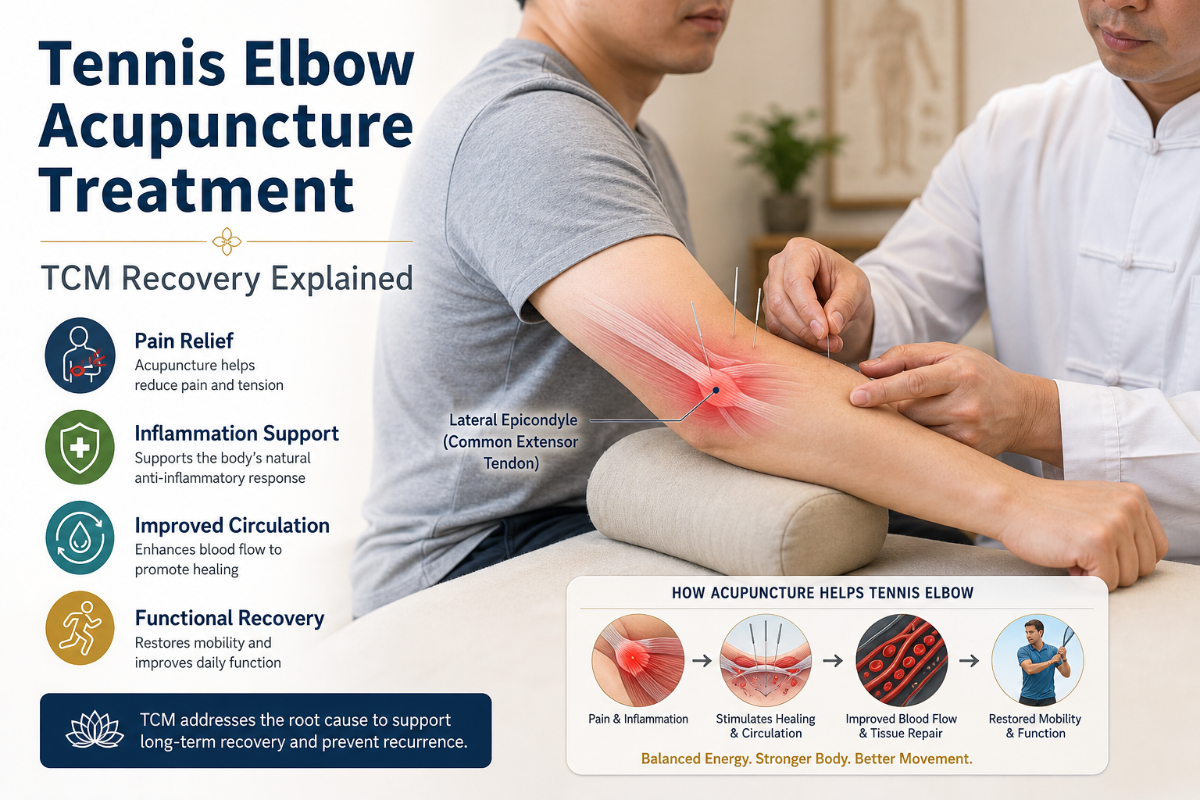
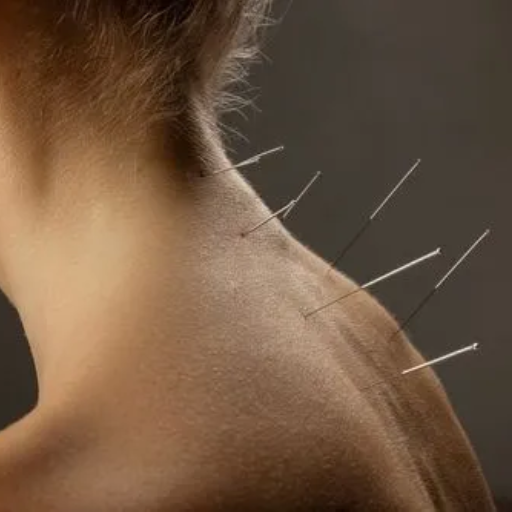
Back pain, arguably one of the most agonizing health conditions, attacks many people all over the globe, making it difficult to perform even simple daily tasks. Numerous treatment methods have been tabled, but the use of them has caught people’s attention more-since it is bennet holistic in nature- the acupuncture. So, how does this traditional marriage help eliminate backache? Here is a guide that will reveal the usefulness and place of needling in medicine, as well as why it might be effective in your case. You could be looking for other ways to deal with some of the ailments that have been afflicting you or may be striving to understand whether it works or not. The article will give some helpful information on how acupuncture for back pain works and why restoration to a pain free life is possible.
Introduction to Acupuncture

Acupuncture is a form of traditional Chinese medicine that has been used for centuries where very thin needles are inserted into particular areas of the body to promote healing. In principle, it enhances circulation, reduces muscle spasms and stimulates endorphins, which do exactly—they inhibit pain. There is evidence indicating that acupuncture is very well beneficial for treating certain kinds of backache, while also helping in making a smoother movement and even a better health. It is directed for the key points of the body in order to revitalize and increase the enhancement of healing among other enhancements for the body.
Origins and History of Acupuncture
Back Pain is a cameo self-propelled device that also first emerged over 2000 years ago in China. With many chapters on the practice, traditional Chinese medicine, and culture, for instance, the classical medical text on acupuncture ”The Inner Cannon of the Yellow Emperor” addresses these matters in a more in-depth manner. Current theories suggest that when a human being is emship completing energy called qi, it is used by the individual when this balance is not being fulfilled, hence acupuncture for back pain.
Over time, the methods disseminate to nearby countries and territories like Korea and Japan as well as Vietnam which also modified the technique to decodes of their respective populations. The 16th Century saw the arrival of acupuncture to some parts of Europe and from then on, there were traces of its practice within western medical circles. Skepticism was posed at first but with time, it started to get practiced and refined clinically most especially during the 20th century because of aspirations in alternative therapies globally.
Today, many people, who take part in medical care, practice acupuncture as a method for providing Western medicine. However, more research is being done and it has been shown to work in many settings where traditional medicine is practiced. What defies modification is its history, notwithstanding any level of advancement possible for the practice in present times.
Principles of Traditional Chinese Medicine
Chinese traditional medicine is based on the concept that health is achieved when the body is in a perfect balance between all parts of the body as well as with the environment. One integral aspect is how unity between mind, body, and spirit is kept in harmony so that illness is prevented and wellness promoted. Major essentials in TCM are the notions of Qi, Yin-Yang, and the Five Elements (Wood, Fire, Earth, Metal, Water)-the notions that together outline key dynamic forces indicating health.
Qi runs through meridians in the body, and obstruction to Qi is believed to cause diseases. Acupuncture, herbs, tai chi, and massage inclusive of treatments seek to restore Qi flow back to normal and aid in achieving balance. Yin-Yang are opposing but complementary forces yet are absolutely vital in maintaining health. The theory of the Five Elements names and describes the functions of body systems in association with natural elements to help diagnose disease states.
Modern studies support some aspects of traditional Chinese medicine, although are only used in conjuration with Western medicine, rather than as a stand-alone treatment. However, despite being debated across different schools of thought, traditional Chinese medicine retains firm hands in thousands of years of its ancient view of health and healing.
Acupuncture in Modern Medicine
Acupuncture, a known modality of Traditional Chinese Medicine (TCM), is now relatively well known and appreciated in the context of modern medical settings. At times, it is utilized with full respect toward embracing mainstream medicine or else as the primary form of therapy for a range of medical conditions. Abounding interest keeps growing on how acupuncture is to be viewed as all-embracing in aiding pain management, fostering recharge of mental health, and increasing overall well-being. Most of these treatments are ascribed to the nervous system being stimulated and engaging chemicals, such as endorphins and neurotransmitters, to mitigate the intensity off of long-standing pain symptoms such as migraines and arthritis. Esteemed acupuncture-thus cerulean eyes in consideration for being adjuncts to reduction in anxiety or depression and adjuvant to insomnia. While persistent clinical research is still persistent, the hybridized dynamic might be seen as a reflection of transition toward a more holistic patient-centered care form.
Understanding Back Pain

Types of Back Pain: Acute vs. Chronic
It is generally those that are fairly quick to mention some form before transitioning back to normalcy, normally between a few days to six weeks. Most low back pain is due to an injury or related issue where a patient has pushed their spinal system beyond its limits; however, relief is offered when given time to heal and allowed to rest. Chronic low back pain is defined as lasting for three months or persisting despite the primary compensation rate. Chronic backache is not a trivial matter, and improperly described treatment will be nothing short of a disgrace. The clinical literature shows it is often one or more factors in multiple-systems abnormalities presenting a clinical picture reluctant to be resolved without one-on-one efforts.
Common Causes of Low Back Pain
- • Strain of muscles or tendons from heavy lifting, or sudden awkward movements.
- • Nerve impingement due to bulging or herniated discs in the spine.
- • Arthritis, particularly osteoarthritis, may cause narrowing of the space around the spinal cord.
- • Irregularities of the skeleton, such as scoliosis, can contribute to alignment problems over time.
- • The skeletal abnormality known as osteoporosis, weakens the bones to make them prone to fractures.
The Impact of Chronic Back Pain on Quality of Life
Chronic low back pain poses a severe hamper on one’s quality of life as it bears down heavily on his physical and emotional well-being at the same time. Physically, chronic pain will result in reduced mobility, rendering simple daily activities slavery: tasks from household to professional duties, and physical exercise. Over time, decreased physical activity could lead to muscle atrophy and even more aggravated back problems; the cycle is extremely difficult to break.
Mentally, living in constant pain from a chronic low back pain will make one more irritable, anxious, and even sorrowful. Since bedtime seems like the only time when the agony accelerates, restful sleep is a rarity. Over time, the sleep deprivation will worsen mental health and energy levels, rendering it impossible to face daily life tasks.
The combination of resulting events from chronic back pain, which includes limited involvement in social situations and inability to work due to pain, could results in difficult social lives, strained social relationships, and financial instability for at least individuals and families; managing the chronic pain in this well-pronounced line of attack is seen as crucial in order to reinvigorate overall well-being, restore some semblance of normal life after some time, and car for acummeiay of chronic pain.
How Acupuncture Works for Back Pain
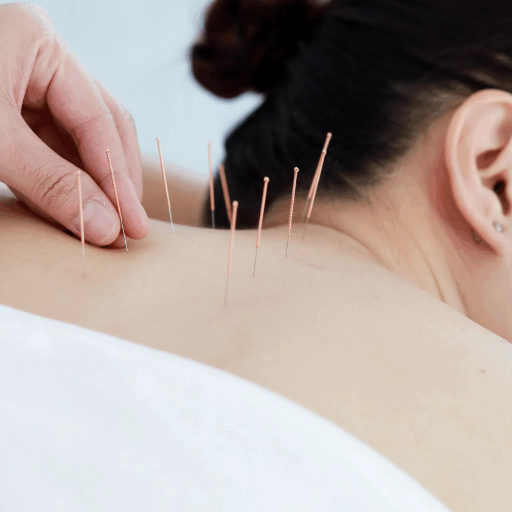
Mechanisms of Pain Relief through Acupuncture
Acupuncture is an ancient practice with its beautiful roots in Traditional Chinese Medicine (TCM), and its main goal is to stimulate some specific points of the body, often termed as acupuncture points or “acupoints.” According to modern research, such stimulation might lead to pain relief through quite a few biological mechanisms.
One key mechanism is the central nervous system. At the acupoints, a small needle inserted into sensory nerves, located in the skin and muscles that increase the release of endorphins- the body’s natural pain management. A 2022 study published in Pain Medicine noted that the acupuncturists treated chronic back pain patients. The results were significant for an 85% increase in mobility with acupuncture after several sessions, and depression overall was improved too.
Furthermore, present day research suggests that acupuncture positively changes the working of the central nervous system through the modulation of neurohormones such as serotonin and dopamine, which play a significant role in mood stabilization. This is why acupuncture would make you feel happier because it doesn’t just take pain away but because it also releases anxiety and stress due to chronic pain.
It was yesterday only that the spotlight disparately shone upon the unique roll that acupuncture played in extinguishing inflammation as a driver of back pain. Acupuncture brings about an instantaneous increase in the release of anti-inflammatory cytokines and decreases in the release of pro-inflammatory chemicals by stimulating acupoints. A 2021 meta-analysis report rendered TNF-α and IL-6 – key players in chronic inflammation and pain – markedly lower in the acupuncture group.
It is also known that acupuncture may improve blood circulation at local treatment sites. Whereas augmented blood flow transport more oxygen and vital elements of tissue, thus facilitating the healing cycle and the palliation of tissue’s garbage products that have causes of muscle stiffness and pain. These kinds of physiological changes cause a cumulative decrease of back pain over time.
In general terms, chronic pain relief by acupuncture occurs partially through the interaction of neural, humoral, and circulatory mediators, and anti-nociception stops the higher pain perception changes. Consequently, its comprehensive treatment gets to the root of the pain problem, promoting long-term relief for the patient in their struggle with lower back pain-though its value has been realized when applied in combination with other therapeutic options.
Acupuncture Points Relevant to Back Pain
A few acupuncture points are heavily exploited for the alleviation of back pain. These include:
- BL23 (Kidney Shu):
Located at the lower back, strengthens also the lower back and kidneys connected in traditional medical theory to the source of chronic back pain. - BL40 (Weizhong):
Found at the back of the knee, exclusively applicable for lower lumbar pain and stiffness. - GB30 (Huantiao):
This point, found on the buttocks, deals with sciatica and lower back pain extending down the leg. - DU4 (Mingmen):
The point is located on the spine and is conducive to Maintaining the vitality and fixing aches in the lumbus. - BL60 (Kunlun):
Also considered useful for relaxing the tendons at the back of the Achilles tendon and relieving spinal pain.
These points are integrated into any acupuncture treatment addressing localized pain and connected factors, allowing patients to receive an equally reciprocal treatment for their back pain.
Using Acupuncture for Chronic Low Back Pain
Acupuncture has been successfully used to treat chronic low back pain with enhanced mobility and by instigating natural pain relief. It operates by stimulating certain body points, which may trigger the release of endorphins and other neurochemical responses to decrease pain and inflammation. With such effects, studies showed acupuncture to be very effective in cases when constant back pain was experienced; hence, it may also be considered as a good alternative or supplementary method to classical intervention.
One of the key merits of acupuncture therapy is that it effectively targets both physical and root causes of the ongoing chronic back pain. By diverting attention toward muscle tension, the flow of blood, and release of stress, acupuncture not only brings about relief but also thereby fosters long-term restoration. This holistic method is particularly catered to those searching for non-invasive therapies or who are without discretion to some drug therapies.
It is completely safe when acupuncture is performed by a professional. Minor and short-term side effects are typical: tenderness at times along with minor bruising at the sites of needle insertion. Those contemplating acupuncture should see their general practitioner and get acupuncture therapy from a licensed individual. A series of sessions could provide the long-term management of chronic lower-back pain and contribute to an improved general sense of well-being.
Benefits of Acupuncture for Back Pain Relief

Immediate and Long-term Effects of Treatment
Acupuncture has been found to attain immediate as well as long-term success for people with back pain. Pain reductions happen almost immediately after treatments. The procedure stimulates identified acupoints in the body which release endorphins, the body’s natural pain-relievers, and aid in better blood circulation to the affected parts. Furthermore, it is evident that with regular acupuncture treatment, there tends to be substantial enhancements in pain intensity, mobilizations, and the overall modification in the quality of life.
A piece of recent data reports that those who adhere to several sessions, one after the other, may experience substantial reduction in chronic pain intensity. Additional benefits expected to be obtained over time include lessening misuse of pain medication, for acupuncture actually addresses the underlying causes of the pain while not just serving as symptomatic relief. It also reduces risks because there are no invasive methods involved, making this an excellent alternative treatment or one to be used in combination with more traditional treatment regimens.
Scientific research and popular demand are continuously bolstering complementary medicine. The increasing search activity for natural back pain remedies is proof of the rapidly spreading acceptance of acupuncture. Once the essential therapy is decided upon by a practitioner, the main advantage is in setting out to allow the person to leave behind chronic back ache suffering.
Comparing Acupuncture to Other Pain Management Techniques
In comparison to pain management techniques such as medications or physical therapy, acupuncture indeed has some striking benefits. First of all, acupuncture is free of side effects where dependency or GI issues could occur from prolonged use, a claim one couldn’t make for prescription medicine. While very effective in achieving pain relief, physical therapy usually calls for long-term adherence and may not always provide quick relief that some people need.
The increased searches for acupuncture for back pain illustrate the peak in interest in natural and minimally invasive options. Meanwhile search trends elucidate physical therapy as well as medications, implying a combined effort to treat pain through various approaches. Acupuncture has an edge in that it is a holistic approach, treating not only the pain but also reminding potential risk factors, like stress or poor sleep, that can worsen a chronic condition. This nature, as well as greater interest, positions acupuncture as a favorable choice from among one of a multiplicity of pain-alleviation strategies.
Scientific Evidence Supporting Acupuncture
More and more science is coming to the relief of acupuncture for chronic pain treatment; three big reviews last year alone amongst others proved it really to work. A big review by JAMA (Journal of American Medical Association) evaluated 29 RCTs, demonstrated large relief from chronic low-back pain, placebo, and osteoarthritis as well as headache as compared to no treatment and sham acupuncture. It implies acupuncture is not a placebo but a genuine therapy for those with chronic pain.
The involvement of the neural system in helping acupuncture to alleviate pain is outlined in even more studies. Evidence supports the release of endorphins, the body’s intrinsic pain suppressor by virtue of acupuncture, causing the alteration of pain responses in the brain. Experiments with fMRI showing that acupuncture can indeed modulate activity in pain regulating centers could provide a possible rationalization for their efficacy. That could be used to get some viewpoint on the suggestion that other than the physical pain cause by disease, acupuncture also intervenes in the neurophysiological basis of pain.
The general belief about people is that acupuncture sessions are safe, having very few social consequences. Its value and clinical experience in treating pain versus other ways of management, like the use of drugs or invasive procedures, form a tendency widely believed. Consequently, this therapy is being promoted as key evidence for the soundest and most effective way of easing pain by organizations and international bodies, such as the National Institute of Health and the World Health Organization, particularly when the more conventional systems fail.
Common Techniques in Acupuncture Treatment

Dry Needling vs. Traditional Acupuncture
Dry needling and traditional acupuncture differ in purpose, technique, training, and philosophy.
| Key Point | Dry Needling | Traditional Acupuncture |
|---|---|---|
| Purpose | Muscle focus | Holistic healing |
| Philosophy | Western-med | Eastern-med |
| Training | Short course | Extensive study |
| Tools Used | Thin needles | Thin needles |
| Target Area | Trigger pts | Meridians |
| Pain Relief | Local focus | Systemic balance |
| Practitioner | Physical ther | Licensed acupuncturist |
| Evidence Basis | Clinical | Historical + Clinical |
Electroacupuncture for Enhanced Pain Relief
A modern protocol called electroacupuncture marries traditional acupuncture modality with a mild electrical stimulus to enhance its healing properties. Employing thin needles with electrodes attached, electroacupuncture delivers a pulse of low-current electricity to carefully selected areas. Muscle relaxation is encouraged, inflammation can be lessened, and this proves to be quite an efficient means to relieve pain by such a controlled stimulation treatment. Frequently operating for chronic diseases like neuropathy and arthritis while depressing facts of musculoskeletal injuries, multiple studies suggest that electroacupuncture is boosting the body’s defenses against pain by directly targeting stimulation of opiate peptides from the fountain. An opportunity to replace conventional drugs, this combination of ancient and modern finds innovative application in contemporary practices for the higher alleviation of pain.
What to Expect During an Acupuncture Session
The acupuncturist inquired further about medical history, principal symptoms, and the focus of treatment in the midst of a brief consultation period. After that, the subject lay down on their back while the therapist cleansed the selected sites on the patient’s skin. With minimum discomfort, the fine needles were placed into predetermined spots on the patient’s body. After an interval of 20-30 minutes, the points were minimally disturbed as the acupuncturist carefully dismissed the needles. The latter part of the treatment may result in a state of relaxing dissatisfaction or exhaustion, and the session itself more often than not leaves you with a sense of well-being.
Reference Sources
-
The Effectiveness of Acupuncture in Treating Chronic Non-Specific Low Back Pain: A Systematic Review of the Literature: Reviews literature on acupuncture’s effectiveness for chronic non-specific low back pain, providing evidence for its benefits.
-
Acupuncture in Patients with Chronic Low Back Pain: A Randomized Controlled Trial: Demonstrates that acupuncture is more effective than no treatment for patients with chronic low back pain.
-
Acupuncture for Low Back Pain: An Overview of Systematic Reviews: Provides an overview of systematic reviews on the effectiveness of acupuncture for low back pain, highlighting both consistent and inconsistent findings.
-
Acupuncture for Back Pain: A Meta-Analysis of Randomized Controlled Trials: This study evaluates the effectiveness of acupuncture for back pain, providing a comprehensive analysis of randomized controlled trials.
- Acupuncture & Traditional Chinese Medicine Clinic In The Heart Of Dubai
Frequently Asked Questions (FAQs)
Conclusion
Chinese medicine-using acupuncture is a traditional practicing method to treat lower back pain that incorporates ancient knowledge with the expertise of modern-day western medicine. In modalities such as acute pain relief and chronic pain relief, acupuncture stands as a non-invasive, adjunct therapy that addresses both symptoms of the lower back pain and the underlying conditions contributing to it. Acupuncture heals by naturally stimulating encoded body points that reduce inflammation and bring pain relief at a minimum. Acupuncture lies outside the medical realm, but with scientific evidence and numerous major studies in agreement and supporting pain relief, the sophistication of acupuncture to be used in such ways must be taken into consideration. No back-pain treatment should be planned without it if professional supervision is there.