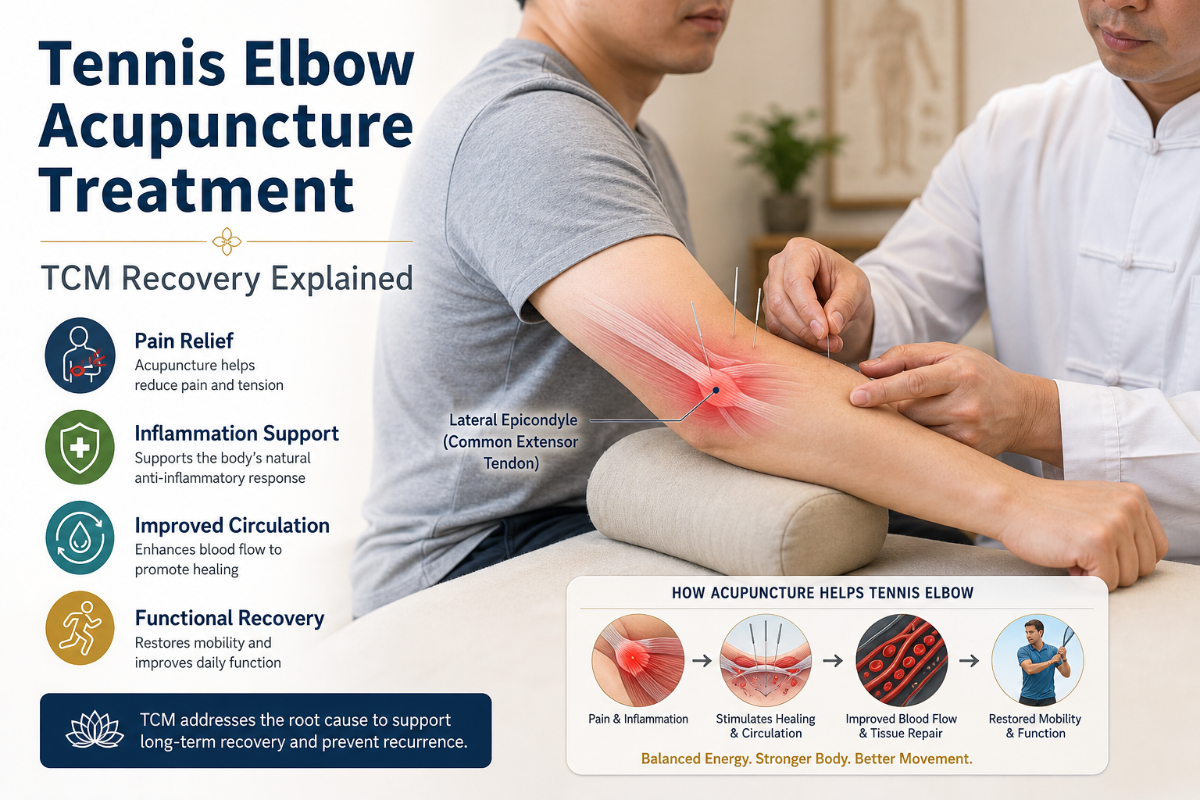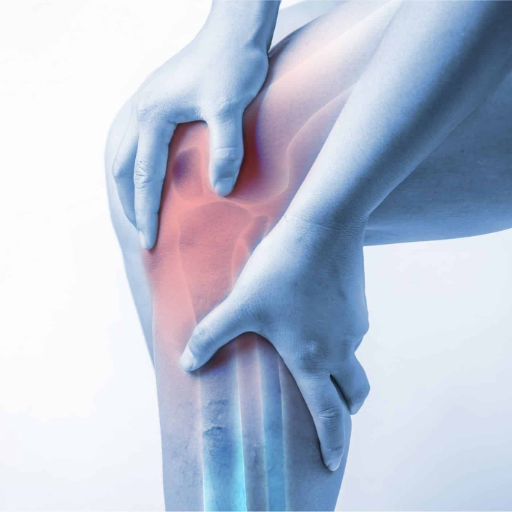
Knee pain is an awful type of discomfort that impairs the victims from running their acts in life well and in peace. Surgery is a good choice for those who have knee dysfunctions, but in less aggravated cases, large numbers of people look for more non-invasive ways implementing the treatment. Chinese traditional medicine is thus implicated in various treatment modalities to treat knee issues, which aim at restoring the balance of the unseen aspects of life as a means to address the root causes of despondence. This article investigates some of the most successful strategies of TCM to treat knee pain without resorting to surgery such as acupuncture, herbology, and lifestyle changes. If you are new to TCM or would like to know how you can naturally support your bone health, this article will afford you with several useful insights to aid in making informed decisions.
Understanding Knee Pain
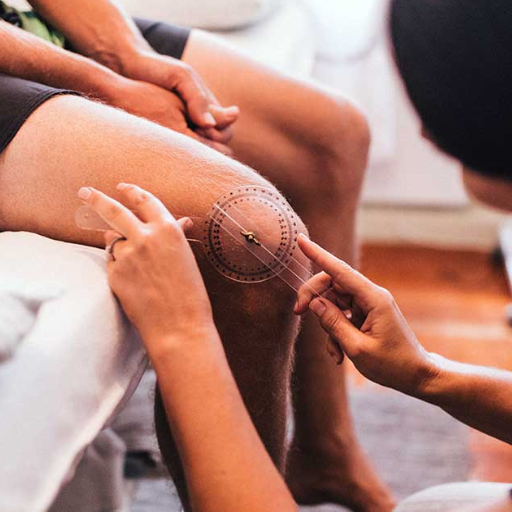
Common Causes of Knee Pain
Anyway, knee pain is a quite common issue due to several causes and may affect any individual in the human race. The primary reasons for the same could be due to injuries such as ligament tears, fractures, or strains, thereby fundamentally causing alteration in the structure of the knee. Another primary cause for pain is when an excess of one could lead to bulky activities done over and over. Arthritis stands as another renowned cause of knee pain, and the other crucial arthritis of osteoarthritis results from the slow degradation of joint cartilage over time. Other types of arthritis like rheumatoid arthritis and gout may have an actuated part-inflammation in the knee and pain. These conditions cause great pain, make mobility irritable, and interfere with everyday activities.
Biomechanical components can also make knee pain worse to some extent. A person who adopts a body posture which generates the flat feet, or is seen to suffer alignment difficulty within the knee joint, probably will have to face an overload to the knee joint. Eventually the strain brought up by the posture will be constant, or even higher, prompting discomfort to the knee. A patient who is overweight may also face another aggravating factor. The elevated pressure simply emanated from the knees may only serve to aggravate even the least discomfort. In addition to this, when too much weight is borne by the knees, it heightens the already painful troubles. To select the correct treatments and eventually offer preventive measures for one’s knee pain, the potential pain factor has to be found.
Types of Knee Pain
Knee pain comes in various forms depending on the cause. Recognizing the type of pain is essential for treating it appropriately. Here are the different kinds of knee pain and what they are all about:
Acute Injury Pain
Acute injuries like ligament tears (ACL, MCL), meniscal tears, and fracture produce an elbow slicking pain as a very harsh happening. A recent figure stated that ACL injuries are among the most common sports-related injuries; over 200,000 ACL injuries are inflicted each year in the United States. Causes often involve sudden twists or blows occurring during physical activities.
Osteoarthritis-Related Chronic Pain
Osteoarthritis is the major cause of chronic knee pain, particularly among adults over the age of 50. This is a degenerative condition where the cartilage of the knee joint erodes over time, leading to stiffness and persistent pain. The CDC has recorded over 32.5 million American adults who are affected by osteoarthritis, thereby highlighting its huge public health impact.
Tendonitis
Athletes frequently suffer from patellar tendonitis, also called “jumper’s knee.” It occurs as a result of inflammation in the patellar tendon and may give rise to pain just beneath the kneecap. Claims suggest that 20% of athletes involved in jumping sports will suffer from this condition at some stage during their career.
Bursitis
Prepatellar bursitis, for instance, is often observed in the field of work that requires kneeling most of the time. For example, in carpentry, gardening, etc.
Referred Pain
Referred pain is where the problem in the knee is due to problems elsewhere in the body, like the hips or lower back. An example is with sciatica that transmits pain down the leg-wise knee pain.
Rheumatoid Arthritis (RA)
Rheumatoid arthritis is an autoimmune disorder that involves joints, including the knees. Inflammation from the condition causes swelling, pain, and joint deformation. The statistical number of adult inhabitants with rheumatoid arthritis in the U.S. is about 1,500,000, and usually symmetrical, affecting both knees, presents the symptoms.
Identifying what kind of knee pain it is, as well as its cause, is considered vital for correct diagnosis and treatment. Modern techniques for diagnosis and treating pain through imaging have improved outcomes dramatically. This program can provide significant relief and improve the patient’s mobility.
| Condition | Prevalence / Statistic | Primary Demographic |
|---|---|---|
| ACL Injuries | 200,000+ per year (USA) | Athletes, active individuals |
| Osteoarthritis | 32.5 million adults (USA, CDC) | Adults 50+ |
| Patellar Tendonitis | ~20% of jumping sport athletes | Volleyball, basketball players |
| Rheumatoid Arthritis | ~1.5 million adults (USA) | Autoimmune — all age groups |
Impact of Knee Pain on Daily Life
Knee pain can absolutely alter an individual’s daily life taking on a percentage of their time in which routine tasks become. For walking or climbing stairs, standing for a while is perceived as socially impossible. Such conditions lead to the erosion of independence and force most routine physical activities to request assistance from others, affecting the mental and emotional well-being. Chronic pains may also lead to reduced physical activity, which in turn may significantly affect overall health, leading to health concerns such as weight gain or muscle weakness.
In the workplace, persons struggling with knee pain may find things even more difficult. Physically demanding work places, standing for a long time, or performing work tasks requiring repetitive movements become difficult, and as such, productivity is decreased or even interests in making a career change. Even persons working sedentary jobs still have related issues, with further supports in the fact that prolonged sitting may worsen the distress. This would necessitate taking a lot of breaks or altering workstations.
Recreation and social life amount to the rewards not to be eliminated by a tiresome predicament of leg-standing. Engaging in joyful sports, ballroom dancing, or hanging around the city centers are some of the most likely pursuits one will be deprived of, leaving the individual to feel totally isolated. Thus, the occupational therapist’s early and expert intercession shall enhance the chance for life qualities to bloom, and keep the veteran crippled in both his physical and emotional activities in this life.
Physical & Daily Tasks
Walking, climbing stairs, and standing become difficult, eroding independence and prompting reliance on others.
Workplace Productivity
Repetitive or prolonged physical tasks decrease productivity; even sedentary workers suffer from prolonged sitting aggravating pain.
Social & Recreational Life
Sports, dancing, and social outings become inaccessible, leading to feelings of isolation and diminished emotional well-being.
Nonsurgical Treatment Options for Knee Pain
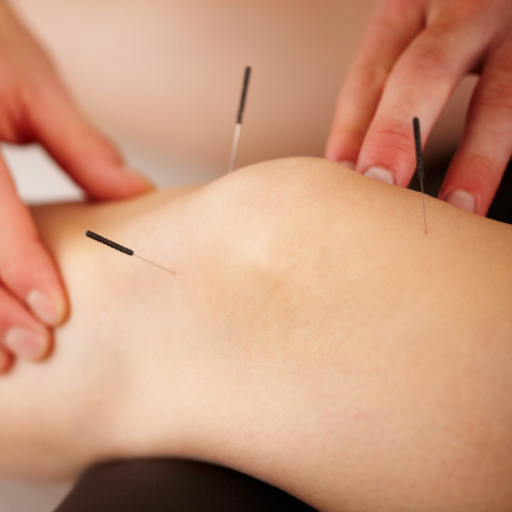
Overview of Nonsurgical Treatments
Nonsurgical knee pain treatment systems target reducing discomfort, improving functionality, and addressing the underlying process without going through surgery. These approaches are effective for individuals with mild to moderate symptoms or those who avoid surgery. Combining therapies can often maintain mobility and a decent quality of life.
Physical therapy is amongst one of the top nonsurgical means. A tailored exercise regimen along with a stretching routine can help build muscles around the knee, increase flexibility, and minimize joint strain. Added to that, weight control plays an important role, so reduction in weight assists in reducing the pressure on the knees and lessening pain as well; the deterioration of conditions such as arthritis will also be slowed.
Other suggestions to treat knee pain, such as surgical and nonsurgical procedures, include medicines administered orally, steroid injections, and other injectable therapies. Suggestive braces or orthotics can help to maintain support and postural alignment. Such hallmarks of knee pain are the best, foolproof methods to overcome joint problems effectively and improve knee therapeutics.
Physical Therapy for Knee Pain Relief
One of the most effective non-surgical treatments for knee pain is physical therapy. Usually, physical therapists will analyze the whole body before targeting the main regimen. According to published data by The Journal of Orthopaedic & Sports Physical Therapy, approximately 70% of these chronic knee pain cases have shown remarkable improvement in their level of function and reduction in pain after completing targeted therapeutic exercise.
Physical therapy protocols for knee pain generally include a mixture of strength training, flexibility exercises, and low-impact cardiovascular conditioning. Strengthening the muscles surrounding the knee joint (such as the quadriceps and hamstrings) helps stabilize the joint and reduce loading on its tissues. Stretching regimens target the ligament, tendon, and other surrounding tissue’s flexibility. The aim is to improve range of motion and mobility. Gentle cardiovascular exercises, such as cycling or using an elliptical machine, can be performed to bolster endurance with lessened knee pain.
Also, different techniques like manual therapy, or the application of ice and heat, or the electrical stimulation could be readily helpful in decreasing the pain and swelling so that the needed therapy could be continued. A study of the American Physical Therapy Association shows that the addition of therapy exercises to some form of modality (for example ultrasound or electrical stimulation) can boost the treatment effectiveness up to 35%.
Theally, a patient may be instructed on the improvement of his or her posture. This knowledge allows for the resistant spreading of knee injury. Physical therapy definitely assures that patients are under long-term recovery from the knee operation or/with joint diseases from degeneration such as osteoarthritis, which is a support for joints.
Key Research Findings: Approximately 70% of chronic knee pain cases show remarkable improvement after targeted therapeutic exercise (The Journal of Orthopaedic & Sports Physical Therapy). Combining therapy exercises with modalities like ultrasound or electrical stimulation can boost treatment effectiveness by up to 35% (American Physical Therapy Association).
Traditional Chinese Medicine (TCM) for Knee Pain
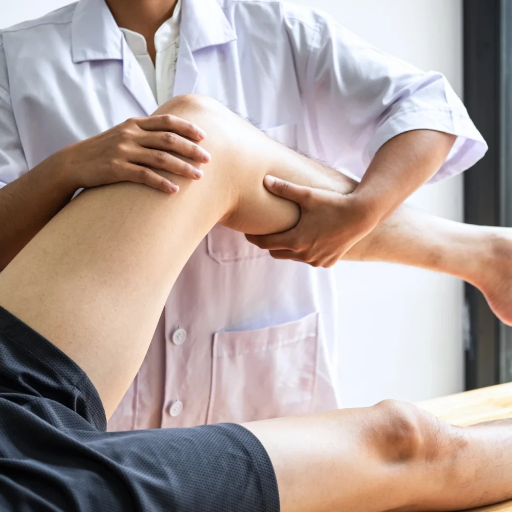
Acupuncture as a Treatment Method
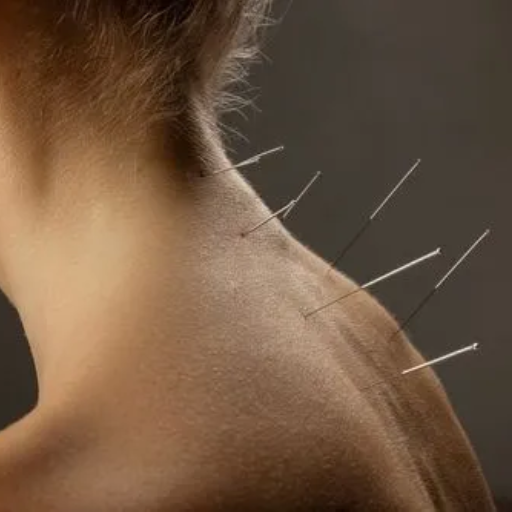
Acupuncture is a form of holistic medical care based on Traditional Chinese Medicine used to treat knee pain. The technique involves stimulating some specific points on the body with the aim of restoring the balance of energy (“Qi”) and inducing the body to heal its injured parts. Consequently, this kind of treatment is very effective for pain in the knees due to conditions like osteoarthritis or postoperative complications.
Acupuncture has been shown to diminish its effects on swelling, boost blood circulation, and increase pain tolerance in a person. Research has pointed out how acupuncture patients report lower pain levels and better range of motion, among other improvements. Acupuncture is protective of tissues and minimally invasive, generally having fewer side effects as compared to pharmaceutical intervention.
Many a success of acupuncture treatment lies in the high level of proficiency, totality or interim therapy, depending on the individual’s needs. Of paramount importance, the level of pain intensity at any given stage will guide the practitioner towards the cause of the pain. Acupuncture can be used as an adjunctive care to medicate other forms of placing such as pharmacological or surgical sciences, to cure intricate disorders permanently or for an extended length of time.
Herbal Remedies for Knee Pain Management
Turmeric (Curcumin)
Possesses strong anti-inflammatory agents that alleviate swelling in the knee and relieve pain. Available as tea or supplement.
Ginger
A forceful herb that aids in conditioning cartilage and reducing inflammation. Can be incorporated via tea or supplement form.
Willow Bark
Contains salicin, a compound close to aspirin, helpful in reducing pain and solidifying joints. Beneficial for mild to moderate knee pain.
Devil’s Claw
Touted for pain relief and improved functional capabilities in selected knee conditions. Often used in conjunction with other remedies.
For all these centuries, herbal solutions have been used intensively for treating knee pain with beneficial effects. Turmeric, which consists of curcumin, possesses strong anti-inflammation agents and can easily alleviate swelling in the knee and relieve pain as well. Ginger, a forceful herb, also helps in the conditioning of cartilage and reducing inflammation. Tea and pill supplements can be used to add these herbs to your pain management regimen.
Willow bark has been commonly used as a natural pain reliever. Willow bark leaf contains salicin, a compound close to aspirin and helpful in reducing pain and solidifying the joints. Under medical or dietician guidance, conditions of any kind of mild to moderate knee pain can be manumitted. In addition to this popular devil’s claw touted for pain relief and improved functional capabilities in selected knee issues.
Before using herbal remedies, it is recommended to ask a healthcare professional to help you out most especially if you are on other medications. It is acceptable to utilize other such natural remedies as long as you exercise, keep yourself in shape, and not forget to seek advice from your doctor for the long-term health of your knee.
Therapeutic Exercises in TCM
Therapeutic exercises in TCM advocate symmetry amidst the movement of Qi. In the tradition of these exercises, movement arts such as Qigong and Tai Chi emphasize slow, controlled movements, meditation, and breathing. These activities build an elegant interrelationship that ensures health preservation. Its therapeutic effects over the long term are gentle and soothing. This includes the restoration of strength, suppleness, and the articulation of joints, all of which prove especially beneficial for knee-pain sufferers or the knee stiffness.
The practice of mindful movement is indispensable in these exercises. This means that their purpose is to enable slow, deliberate movements that involve not only muscles but the attentions of the mind as well. Such movements help to facilitate the circulation of blood in targeted muscle-tensions and joints. Moreover, the meditative aspects of Qigong and Tai Chi will enable the reduction of stress, thus making the management of pain and body tension inevitable.
Studies say that with regular therapy, they can improve functional outcomes in individuals with chronic conditions like osteoarthritis, thereby enhancing joint stability and reducing injury risk. In addition to following medical instruction and undergoing regular physical therapy, complementary therapies play an important role in the maintenance of knee motion and physical function in TCM.
Benefits of TCM in Managing Knee Pain
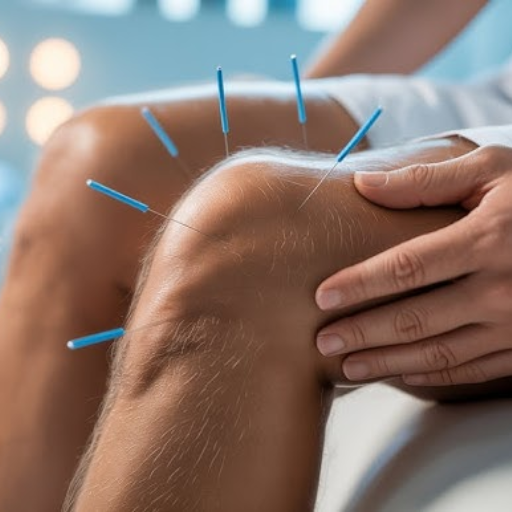
Holistic Approach to Pain Relief
Traditional Chinese Medicine (TCM) offers a holistic and integrative approach to managing knee pain. By addressing not only the physical symptoms but also the underlying imbalances within the body, TCM aims to restore overall harmony. This method focuses on treating the root cause of pain rather than just alleviating surface-level discomfort, ensuring a more sustainable path to recovery.
TCM techniques such as acupuncture and acupressure are commonly used to relieve knee pain. Acupuncture stimulates specific points on the body to promote blood flow, reduce inflammation, and encourage the release of endorphins, which act as natural painkillers. Similarly, acupressure applies targeted pressure to specific areas to alleviate muscle tension and promote relaxation, which can provide significant relief from chronic knee pain.
Additionally, herbal remedies and dietary therapy are often incorporated into TCM practices to support physical recovery. Customized herbal formulations are designed to reduce inflammation and strengthen the joints, while tailored dietary advice ensures the nutrients necessary for joint health are adequately supplied. Together, these methods exemplify the holistic strategies of TCM, focusing on enhancing overall well-being while effectively managing knee pain.
Comparative Effectiveness with Other Nonsurgical Methods
| Factor | TCM Approach | Conventional Nonsurgical |
|---|---|---|
| Primary Goal | Restore bodily balance & root imbalances | Reduce inflammation & manage symptoms |
| Pain Relief Speed | Gradual, cumulative over sessions | Faster via medications/injections |
| Long-Term Outcomes | Sustainable via whole-body support | Variable; may require ongoing medication |
| Side Effects | Minimal; plant-based or needle-based | Potential GI/systemic side effects |
| Best Combined With | Physical therapy, dietary guidance | Bracing, exercise, orthotics |
Compared to other nonsurgical methods, one finds that the Traditional Chinese Medicine (TCM) offers unique and complementary advantages of knee pain management. Conventional nonsurgical methods are designed to reduce inflammation and alleviate pain, physical therapies, corticosteroid injections, and oral pain relievers. Although effective for the short-term treatment of joint inflammation and knee pain, traditional methods do not bring the patient into balance nor optimize long-term joint health as fully as Chinese Medicine does.
TCM techniques such as acupuncture and herbal medicine are of great help for pain relief but are also done to assist the body’s natural healing. Research shows that acupuncture helps in increasing the blood’s flow and reducing inflammation in and around the joint of the knee and thus increases mobility with minimal side effects. A long-term therapeutic approach may also involve a dietary regimen or herbals to provide nourishment from within and prevent chances of aches, while allowing physical therapy and other rehabilitative exercises to run their own healing-assisting action alongside.
In an ultimate sense, the combined use of TCM and traditional nonsurgical pods might yield the best possible results aimed at the well-being of patients. For instance, physical therapy and medications can put a stop to symptoms relatively quickly but integrating TCM techniques into the treatment will address the root imbalances and may lead to much more sustainable pain management and improved joint health over time. This very approach substantiates the practicality of what we stand for amongst patient cases-matching therapeutic intervention according to individual needs and severity of the condition.
Minimally Invasive Nature of TCM Treatments
Traditional Chinese Medicine (TCM) is famous for a sluggish acceptance of minimally invasive treatments and an emphasis on whole body care. The remedies for this various anomaly include acupuncture therapy, herbal medicine, and cupping therapy and bring forth above and beyond effective solutions besides their prone-to-little-to-zero physical discomfort for the patient. For instance, with some very thin needles, acupuncture energizes certain points on the body to bring back equilibrium and harmonize the energy flow. This restores balance and results in considerable relief from such health conditions as chronic pain, migraines, and stress. The greater percentage of treatment in comparison to the placebo control is believed to take place in acupuncture and is scientifically established at the level of tension headache and osteoarthritis.
Moreover, herbal medicine, an integral part of Chinese Medicine, uses natural remedies that are plant-based and promote healing with fewer side effects compared to drugs. For instance, scientific evidence supports the use of some traditional herbs like turmeric and ginseng in controlling inflammation and enhancing immune responses with an excellent safety profile in long-term use.
2022 Study Data: Over 80% of patients in the group receiving acupuncture in combination with Western medicine reported chronic improvement in their symptoms while weaning themselves off prescription medications — reinforcing the synergistic potential of TCM in healthcare.
These therapies are an effective choice for promoting patient recovery with slightly better outcomes as compared to highly invasive surgical interventions or long-term pharmacological management. Data from 2022 studies revealed that over 80% of patients in the group receiving acupuncture in combination with Western medicine reported chronic improvement in their symptoms while weaning themselves off prescription medications. These data are a reinforcement for how synergistic TCM can make our lives at the healthcare front by bringing about a cure based on the individual’s prescribing constitution and condition severity with minimal invasiveness.
Choosing Qualified TCM Practitioners
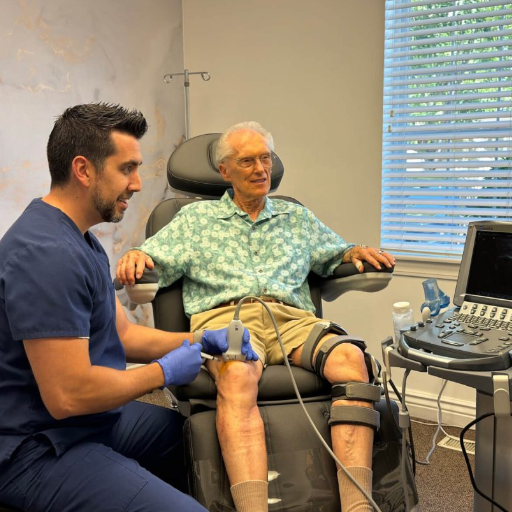
What to Look for in a TCM Practitioner
One needs to look at the practical credentials of the practitioner when deciding to work with a TCM practitioner. This includes an examination of board certification and whether or not the certification given by their accrediting body is recognized. All this is to protect the client by enhancing consumer confidence in the clinician. Inquire as to whether the practitioner is actually specialized in treating your condition as the subject may be vast enough to cross all lines of health.
In addition, the treatment approach should guide the patient-therapist relationship. An excellent TCM practitioner should get a full history, do a detailed consultation, and then draw up a treatment plan defined by the patient’s real needs and health concerns. They should be willing to answer your questions, speak about methods and procedures, and respect your preferences. Communication and established treatment plans are key tools for the practitioner to show professionalism and ethics.
You can look at reviews and recommendations from trusted sources; sure, positive feedback from the practitioners may well suffice, according to the reputation of that doctor and other community reports available. Do not forget to observe that their environment practice is safe, clean, and conforms to health and hygiene standards-that is, to prove your level of professionalism and commitment to patient welfare.
Integrating TCM with Other Nonsurgical Treatments
Traditional Chinese Medical System (which is often simply referred to as TCM) has an absolutely essential role to play in the combination of treatments today. This is because it works on enhancing the natural healing of a person’s body. So, these needles and potions, the hallmarks of TCM, are often combined with modernist biomedicine such as physical therapy or chiropractic care in holistic and tinsel manners that relieve chronic pain due to inflammation and mobility issues. That individualized approach then provides treatments as a whole rather than concentrating on physical pain alone.
Traditional Chinese Medicine places great emphasis on rebalancing the body rather than focusing on individual symptoms that other nonsurgical treatments do. A case in point: Acupuncture can greatly enhance the efficacy of physiotherapy via promoting a healthier circulation and reducing muscle tension, thereby speeding up the healing process. Again, a herbal medicine combined with dietary guidance or any other treatment can help reduce stresses, boost immunity and control chronic health conditions like arthritis or insomnia.
When integrating TCM with other therapies, it is important to ensure efficient communication between practitioners. This is very crucial for safety and for reducing any interactions or conflicts between therapies. Patients should always get in touch with professionals in TCM and their other nonsurgical treatment alternatives for the formulation of an integrated treatment plan. This integrated treatment method not only provides a comprehensive route toward healing, but also nurtures the body and mind.
Frequently Asked Questions (FAQ)
Q: What are the chief alternatives for the treatment of knee pain without surgery?
A: The primary non-surgical modalities to treat knee pain without surgery include physiotherapies, weight management, wearing knee braces, over-the-counter pain medications, physiotherapy, hyaluronic acid injections into the knee joint (a regimen that has been talked about in Social Work Speaking yet has seldom been practiced), platelet-rich plasma treatment, glucosamine and chondroitin supplements, and Traditional Chinese Medicine like acupuncture and herbal treatments (Knee Pain Treatment Without Surgery: TCM Options). These non-invasive knee replacement treatment options have an emphasis on controlling pain and restructuring function without the intervention of knee surgery.
Q: Can a Traditional Chinese Medicine offer an effective treatment for knee pain without surgery?
A: Traditional Chinese Medicine offers its solutions for the treatment of knee pain. Treatments include acupuncture, cupping, herbal formulas, and liniments applied topically might have shown some improvements in pain and limitation of function in the knee joint due to osteoarthritis. Results are inconsistent, but combining TCM with mild exercises and other non-surgical interventions may relieve knee joint pain without needing surgery which might be considered as an alternative to knee joint replacement.
Q: How are glucosamine and chondroitin useful for knee pain in a non-surgical way?
A: Glucosamine and chondroitin are supplements that have been recommended for knee osteoarthritis and other bone and joint diseases. Some people say that their knee pain is reduced and mobility improved, and a handful of trials suggest the supplements do some kind of good, although evidence remains equivocal. They offer a conservative approach to reducing pain and enhancing cartilage health, and can thus accompany physical therapy and exercise programs.
Q: My knee hurts so bad, and I want to avoid surgery. When should I give it a go with the orthopedic surgeon?
A: The best time to consider seeing an orthopaedic surgeon or even a specialist is when all conservative measures fail to relieve pain, the condition worsens or functional limits interfere minimally with life activities. You can discuss all other options to knee replacement surgery, minimally invasive knee procedures and nonsurgical protocols with an orthopedic surgeon. He or she can decide if treatments such as hyaluronic acid injections, PRP, and physical therapy would be beneficial, before even thinking about a knee replacement surgery.
Q: Can knee pain be cured without any surgery through exercise programs and knee braces?
A: Indeed, exercise stimulates muscles to function in order to support knees. Programs for exercise focusing on strengthening, flexibility, and balance together with appropriate weight loss have documented effects in lessening pain and improving knee functional level in osteoarthritis of the knee. Knee braces and orthotics enhance joint alignment, reduce load on compromised zones, and provide symptomatic relief, all working together to delay the need for surgical intervention. Needless to say, they act synergistically to yield better clinical outcomes, with a decrease in wasting pain and increased training.
Q: What are the pros of non-surgical treatments compared to knee replacement surgery?
A: Non-surgical treatments are concerned with the purpose of fighting or easing pain and improving function in those cases when patients might have achievable relief without a knee replacement. In cases of extreme damage to the joint, eroding bone, or vast articular cartilage loss, surgery may obtain optimal results. Operations available as alternatives to knee replacement can act as postponing surgery and may as well be powerful in numerous cases in easing the pain, but the realization of the objectives mainly depends on how severe the disease is, general health, and, in addition, the patient’s compliance with the recommendations for non-surgical therapy.
Q: Are stem cell therapies and other newer treatments good alternatives to a knee treatment?
A: Presently, stem cell therapy is being sought as a possibility to repair the cartilage or as a treatment of knee osteoarthritis. The initial results appear promising, with a modicum of pain reduction and probable repair of articular cartilage, though, again, results are only for tentative evaluation. In many places, such therapies are still regarded as experimental, and they should be discussed with an orthopedic doctor along with other therapists, taking into account the risks, benefits, and whether there exist other alternatives for knee replacement surgery.
References
-
Treating Knee Arthritis Without Surgery
Link to source
This resource from the Hospital for Special Surgery discusses non-surgical treatments like weight loss, physical therapy, bracing, and injections. -
A potential way to relieve arthritic knees without drugs or surgery
Link to source
A study led by the University of Utah highlights gait retraining as a method to ease pain and slow cartilage damage. -
Knee pain can sometimes be relieved without surgery
Link to source
This article from Upstate Medical University covers cortisone injections and other non-surgical options. - Acupuncture & Traditional Chinese Medicine Clinic In The Heart Of Dubai